Buy bezgrawitacji.eu ?
We are moving the project
bezgrawitacji.eu .
Are you interested in purchasing the domain
bezgrawitacji.eu ?
domain@kv-gmbh.de · 0541-91531010
Buy bezgrawitacji.eu ?
What do the Aborigines call themselves, certainly not Aborigines, right?
The Aboriginal people of Australia refer to themselves by their specific tribal or language group names, such as Koori, Murri, Nyoongar, or Yolngu, depending on their cultural heritage and geographic location. The term "Aboriginal" is a general descriptor used by non-Indigenous people, and it is important to recognize and respect the diversity of Indigenous identities and cultures within Australia. **
Do the Aborigines eat budgerigars?
No, the Aborigines do not typically eat budgerigars. Budgerigars are small parakeets native to Australia and are not a traditional part of the Aboriginal diet. The Aborigines traditionally hunted and ate a variety of animals such as kangaroos, emus, and fish, as well as foraged for fruits, nuts, and roots. Budgerigars are more commonly kept as pets or admired for their colorful plumage and ability to mimic sounds. **


Similar search terms for Aborigines
Top-Angebote
Products related to Aborigines:
-
eclife 16.2ft Space Adventure Bounce House with Splash Pool Indoor/OutdoorBlast off into hours of active, screen‑free play with this space‑themed inflatable bounce house and water slide combo. Designed to spark young imaginations, its rocket, satellite, and spacecraft details turn any backyard into a mission control for fun.492,49 $*Shipping: 0,00 $Secure redirect to the provider
-
Sesderma Reti Age 5 Liposomal Serum Anti-Aging Innovation 30mLA facial serum for wrinkles and signs of ageing. Reduces wrinkles and fine lines. Hydrates and strengthens barrier. Restores youthful radiance. 5-Retinoid System: smooths wrinkles, accelerates renewal, and boosts collagen. Biomimetic Peptides: fill expression lines by stimulating collagen synthesis.41,69 £*Shipping: 5,34 £Secure redirect to the provider
-
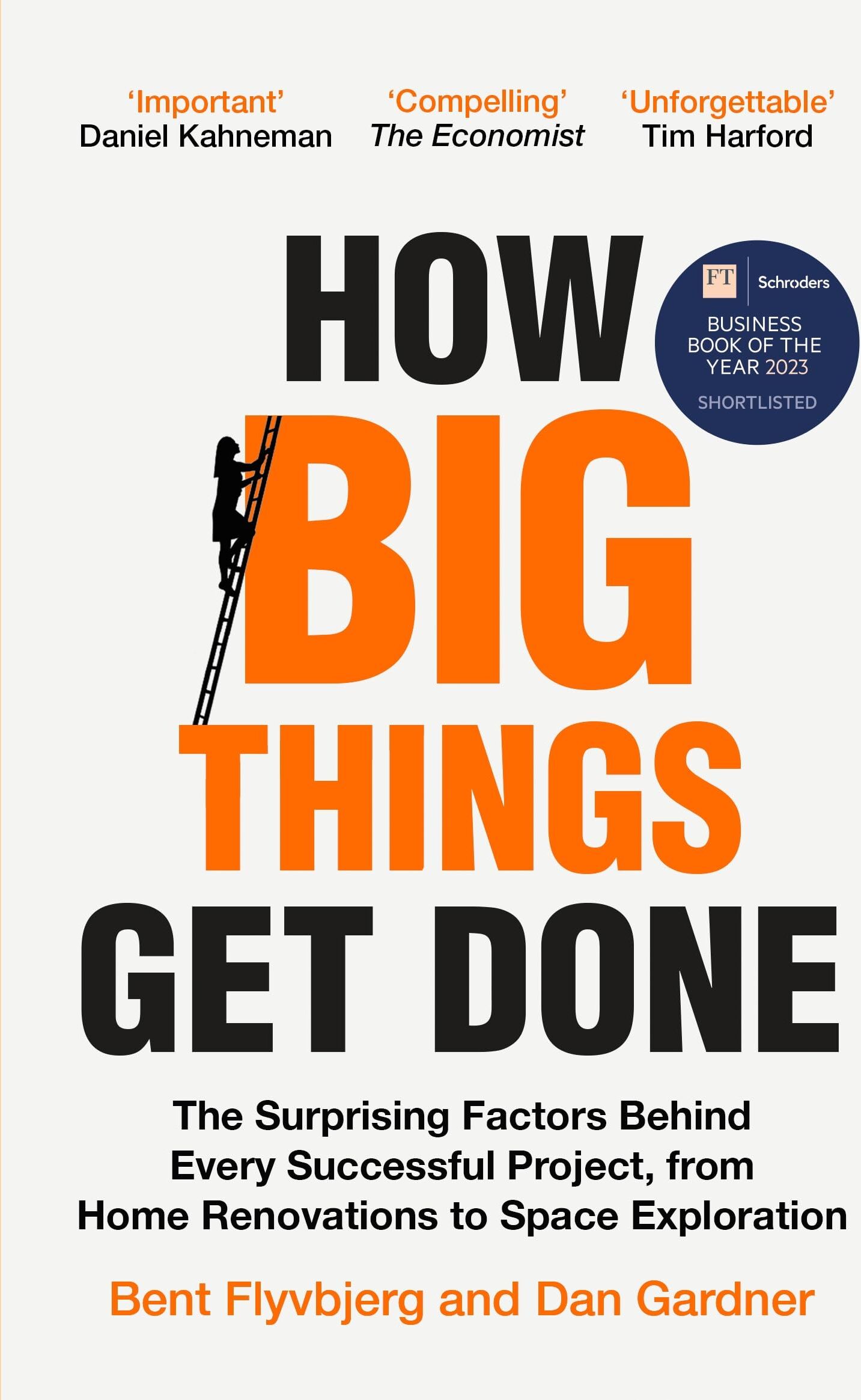
Macmillan Business How Big Things Get Done: The Surprising Factors Behind Every Successful Project, from Home Renovations to Space ExplorationHow Big Things Get Done: The Surprising Factors Behind Every Successful Project, from Home Renovations to Space Exploration Nothing is more inspiring than a big vision that becomes a triumphant new reality. Think of how Apple’s iPod went from a project with a single employee to an enormously successful product launch in eleven months. But such successes are the exception. Consider how London’s Crossrail project delivered five years late and billions over budget. More modest endeavours, whether launching a small business, organizing a conference, or just finishing a work project on time, also commonly fail. Why? Understanding what distinguishes the triumphs from the failures has been the life’s work of Oxford professor Bent Flyvbjerg. In How Big Things Get Done, he identifies the errors that lead projects to fail, and the research-based principles that will make yours succeed: Understand your odds. If you don’t know them, you won’t win. Plan slow, act fast. Getting to the action quick feels right. But it’s wrong. Think right to left. Start with your goal, then identify the steps to get there. Find your Lego. Big is best built from small. Master the unknown unknowns. Most think they can’t, so they fail. Flyvbjerg shows how you can. Full of vivid examples ranging from the building of the Sydney Opera House to the making of the latest Pixar blockbusters, How Big Things Get Done reveals how to get any ambitious project done – on time and on budget.2,99 £*Shipping: 1,99 £Secure redirect to the provider
-
Multisell Products Hub High Tech Construction Bricks Set, New Creative Technology Space Station Transparent Globe, Toy Gifts For Children High Tech Construction Bricks Set, New Creative Technology Space Station Transparent Globe, Toy Gifts For ChildrenInnovative Building Fun for Kids: Bring the world of construction and creativity together with the New Creative Technology Space Station Transparent Globe Building Blocks. This hightech, engaging toy set is designed for young minds to explore the...179,97 $*Shipping: 0,00 $Secure redirect to the provider



-
What problems do the Aborigines have?
Aborigines face a range of issues, including social and economic disadvantage, poor health outcomes, high rates of incarceration, and discrimination. They also struggle with the loss of cultural identity, land rights, and self-determination. Additionally, historical injustices such as forced removal of children and dispossession of land continue to have lasting impacts on their communities. Addressing these complex and interconnected challenges requires a holistic approach that recognizes and respects their unique cultural heritage and rights. **
-
What problems do the Aborigines face?
Aborigines face a range of challenges including social and economic disadvantage, health disparities, discrimination, and cultural preservation. They often experience higher rates of unemployment, lower levels of education, and poorer health outcomes compared to non-Indigenous Australians. Additionally, the loss of traditional lands and languages, as well as ongoing racism and prejudice, contribute to the marginalization of Aboriginal communities. Efforts to address these issues require a comprehensive approach that recognizes and respects the rights and unique cultural heritage of the Aboriginal people. **
-
What are the Aborigines in Africa?
The term "Aborigines" is not typically used to refer to a specific group in Africa. The term is more commonly associated with the indigenous peoples of Australia. In Africa, there are many different indigenous groups with their own distinct cultures, languages, and traditions. These groups have inhabited the continent for thousands of years and have faced various challenges related to land rights, discrimination, and marginalization. It is important to recognize and respect the diversity and unique identities of Africa's indigenous peoples. **
-
Are there any Aborigines who are known in Australia or possibly even worldwide? Are there famous Aborigines?
Yes, there are several Aborigines who are known in Australia and even worldwide. One of the most famous is Cathy Freeman, an Olympic gold medalist in track and field. Another well-known Aboriginal figure is David Unaipon, an inventor, writer, and preacher who is featured on the Australian $50 note. Additionally, musicians like Archie Roach and Gurrumul have gained international recognition for their music. These individuals have contributed significantly to their respective fields and have helped raise awareness of Aboriginal culture and achievements. **


How was the language of the Aborigines?
The language of the Aborigines was diverse and complex, with over 250 different languages spoken across Australia. These languages were often characterized by intricate grammatical structures, rich vocabularies, and unique sounds. Additionally, many Aboriginal languages were deeply connected to the land and culture of the people, incorporating words and concepts that reflected their environment and way of life. Despite the impact of colonization and the loss of many languages, efforts are being made to preserve and revitalize Aboriginal languages today. **
What was the language of the Aborigines like?
The language of the Aborigines was incredibly diverse, with over 250 different languages spoken across Australia. These languages were often complex and rich, with unique grammar structures and sounds. Many Aboriginal languages were also closely tied to the land, incorporating words and concepts related to the environment and traditional practices. Despite the diversity, there were also some common features among many Aboriginal languages, such as the use of complex kinship systems and intricate storytelling techniques. **
Top-Angebote
Products related to Aborigines:
-
Bestway Space Station Exploration Kids Inflatable Playhouse - MultiDevelops: -Gross Motor Skills: stimulates your child's ability to get up and move around, gaining control of their bodies and movement - Imagination: encourages your child to dream of new ways to see the world around them - Confidence & Communication:…52,99 $*Shipping: 0,00 $Secure redirect to the provider
-
eclife 16.2ft Space Adventure Bounce House with Splash Pool Indoor/OutdoorBlast off into hours of active, screen‑free play with this space‑themed inflatable bounce house and water slide combo. Designed to spark young imaginations, its rocket, satellite, and spacecraft details turn any backyard into a mission control for fun.492,49 $*Shipping: 0,00 $Secure redirect to the provider
-
Sesderma Reti Age 5 Liposomal Serum Anti-Aging Innovation 30mLA facial serum for wrinkles and signs of ageing. Reduces wrinkles and fine lines. Hydrates and strengthens barrier. Restores youthful radiance. 5-Retinoid System: smooths wrinkles, accelerates renewal, and boosts collagen. Biomimetic Peptides: fill expression lines by stimulating collagen synthesis.41,69 £*Shipping: 5,34 £Secure redirect to the provider
-
What do the Aborigines call themselves, certainly not Aborigines, right?
The Aboriginal people of Australia refer to themselves by their specific tribal or language group names, such as Koori, Murri, Nyoongar, or Yolngu, depending on their cultural heritage and geographic location. The term "Aboriginal" is a general descriptor used by non-Indigenous people, and it is important to recognize and respect the diversity of Indigenous identities and cultures within Australia. **
-
Do the Aborigines eat budgerigars?
No, the Aborigines do not typically eat budgerigars. Budgerigars are small parakeets native to Australia and are not a traditional part of the Aboriginal diet. The Aborigines traditionally hunted and ate a variety of animals such as kangaroos, emus, and fish, as well as foraged for fruits, nuts, and roots. Budgerigars are more commonly kept as pets or admired for their colorful plumage and ability to mimic sounds. **
-
What problems do the Aborigines have?
Aborigines face a range of issues, including social and economic disadvantage, poor health outcomes, high rates of incarceration, and discrimination. They also struggle with the loss of cultural identity, land rights, and self-determination. Additionally, historical injustices such as forced removal of children and dispossession of land continue to have lasting impacts on their communities. Addressing these complex and interconnected challenges requires a holistic approach that recognizes and respects their unique cultural heritage and rights. **
-
What problems do the Aborigines face?
Aborigines face a range of challenges including social and economic disadvantage, health disparities, discrimination, and cultural preservation. They often experience higher rates of unemployment, lower levels of education, and poorer health outcomes compared to non-Indigenous Australians. Additionally, the loss of traditional lands and languages, as well as ongoing racism and prejudice, contribute to the marginalization of Aboriginal communities. Efforts to address these issues require a comprehensive approach that recognizes and respects the rights and unique cultural heritage of the Aboriginal people. **
Similar search terms for Aborigines
-
Macmillan Business How Big Things Get Done: The Surprising Factors Behind Every Successful Project, from Home Renovations to Space ExplorationHow Big Things Get Done: The Surprising Factors Behind Every Successful Project, from Home Renovations to Space Exploration Nothing is more inspiring than a big vision that becomes a triumphant new reality. Think of how Apple’s iPod went from a project with a single employee to an enormously successful product launch in eleven months. But such successes are the exception. Consider how London’s Crossrail project delivered five years late and billions over budget. More modest endeavours, whether launching a small business, organizing a conference, or just finishing a work project on time, also commonly fail. Why? Understanding what distinguishes the triumphs from the failures has been the life’s work of Oxford professor Bent Flyvbjerg. In How Big Things Get Done, he identifies the errors that lead projects to fail, and the research-based principles that will make yours succeed: Understand your odds. If you don’t know them, you won’t win. Plan slow, act fast. Getting to the action quick feels right. But it’s wrong. Think right to left. Start with your goal, then identify the steps to get there. Find your Lego. Big is best built from small. Master the unknown unknowns. Most think they can’t, so they fail. Flyvbjerg shows how you can. Full of vivid examples ranging from the building of the Sydney Opera House to the making of the latest Pixar blockbusters, How Big Things Get Done reveals how to get any ambitious project done – on time and on budget.2,99 £*Shipping: 1,99 £Secure redirect to the provider
-
Multisell Products Hub High Tech Construction Bricks Set, New Creative Technology Space Station Transparent Globe, Toy Gifts For Children High Tech Construction Bricks Set, New Creative Technology Space Station Transparent Globe, Toy Gifts For ChildrenInnovative Building Fun for Kids: Bring the world of construction and creativity together with the New Creative Technology Space Station Transparent Globe Building Blocks. This hightech, engaging toy set is designed for young minds to explore the...179,97 $*Shipping: 0,00 $Secure redirect to the provider
-
JoyToys Interactive Dancing Duck Toy With Music, Lights & Space Adventure For Babies And Toddlers duckEnjoy endless smiles and early learning with this musical baby toy that keeps little ones happily engaged through movement, lights, and cheerful sounds. Designed for babies and toddlers, this adorable duck features a fun spaceinspired design that...55,97 $*Shipping: 0,00 $Secure redirect to the provider
-
HARPERCOLLINS Creative Confidence by Tom & David Kelley – Unleashing Your Creative Potential & Innovation MindsetA powerful and inspiring book from the founders of IDEO, the award-winning design firm, on unleashing the creativity that lies within each and every one of us. Too often, companies and individuals assume that creativity and innovation are the domain of the ‘creative types’. But two of the foremost experts in innovation, design and creativity on the planet show us that each and every one of us is creative. In an entertaining and inspiring narrative that draws on countless stories from their work at IDEO, and with many of the world's top companies and design firms, David and Tom Kelley identify the principles and strategies that will allow us to tap into our creative potential in our work lives, and in our personal lives, allow us to think outside the box in terms of how we approach and solve problems. ‘Creative Confidence’ is a book that will help each of us be more productive and successful in our lives and in our careers.4,95 £*Shipping: 1,99 £Secure redirect to the provider
-
What are the Aborigines in Africa?
The term "Aborigines" is not typically used to refer to a specific group in Africa. The term is more commonly associated with the indigenous peoples of Australia. In Africa, there are many different indigenous groups with their own distinct cultures, languages, and traditions. These groups have inhabited the continent for thousands of years and have faced various challenges related to land rights, discrimination, and marginalization. It is important to recognize and respect the diversity and unique identities of Africa's indigenous peoples. **
-
Are there any Aborigines who are known in Australia or possibly even worldwide? Are there famous Aborigines?
Yes, there are several Aborigines who are known in Australia and even worldwide. One of the most famous is Cathy Freeman, an Olympic gold medalist in track and field. Another well-known Aboriginal figure is David Unaipon, an inventor, writer, and preacher who is featured on the Australian $50 note. Additionally, musicians like Archie Roach and Gurrumul have gained international recognition for their music. These individuals have contributed significantly to their respective fields and have helped raise awareness of Aboriginal culture and achievements. **
-
How was the language of the Aborigines?
The language of the Aborigines was diverse and complex, with over 250 different languages spoken across Australia. These languages were often characterized by intricate grammatical structures, rich vocabularies, and unique sounds. Additionally, many Aboriginal languages were deeply connected to the land and culture of the people, incorporating words and concepts that reflected their environment and way of life. Despite the impact of colonization and the loss of many languages, efforts are being made to preserve and revitalize Aboriginal languages today. **
-
What was the language of the Aborigines like?
The language of the Aborigines was incredibly diverse, with over 250 different languages spoken across Australia. These languages were often complex and rich, with unique grammar structures and sounds. Many Aboriginal languages were also closely tied to the land, incorporating words and concepts related to the environment and traditional practices. Despite the diversity, there were also some common features among many Aboriginal languages, such as the use of complex kinship systems and intricate storytelling techniques. **
* All prices are inclusive of VAT and, if applicable, plus shipping costs. The offer information is based on the details provided by the respective shop and is updated through automated processes. Real-time updates do not occur, so deviations can occur in individual cases. ** Note: Parts of this content were created by AI.