Buy bezgrawitacji.eu ?
We are moving the project
bezgrawitacji.eu .
Are you interested in purchasing the domain
bezgrawitacji.eu ?
domain@kv-gmbh.de · 0541-91531010
Buy bezgrawitacji.eu ?
Is glyphosate an organic compound?
No, glyphosate is not an organic compound. It is a synthetic compound that is classified as an organophosphorus compound. Glyphosate is a broad-spectrum herbicide that is widely used in agriculture to kill weeds. Organic compounds, on the other hand, are compounds that contain carbon-hydrogen bonds and are typically found in living organisms. **
How does glyphosate affect surfaces?
Glyphosate, the active ingredient in many herbicides, can affect surfaces in several ways. When applied to plants, glyphosate is absorbed and inhibits the production of essential amino acids, leading to the death of the plant. This can result in the surfaces becoming dry and brittle as the plants die off. Additionally, glyphosate can also bind to soil particles, potentially affecting the soil surface and its ability to support plant growth. Overall, glyphosate can have a significant impact on the surfaces it comes into contact with, leading to changes in plant and soil health. **

Similar search terms for Glyphosate
Top-Angebote
Products related to Glyphosate:
-
Multisell Products Hub High Tech Construction Bricks Set, New Creative Technology Space Station Transparent Globe, Toy Gifts For Children High Tech Construction Bricks Set, New Creative Technology Space Station Transparent Globe, Toy Gifts For ChildrenInnovative Building Fun for Kids: Bring the world of construction and creativity together with the New Creative Technology Space Station Transparent Globe Building Blocks. This hightech, engaging toy set is designed for young minds to explore the...179,97 $*Shipping: 0,00 $Secure redirect to the provider
-
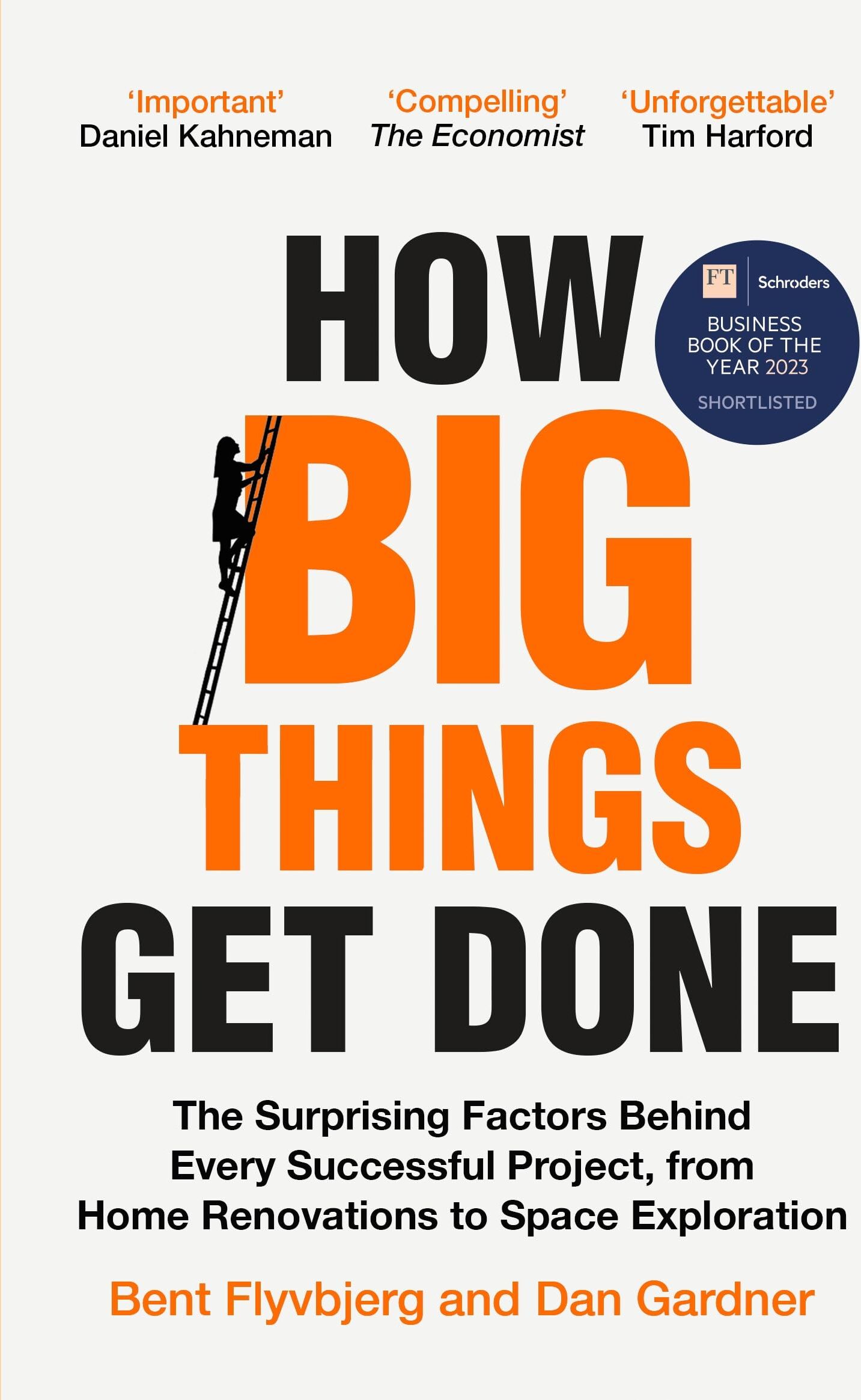
Macmillan Business How Big Things Get Done: The Surprising Factors Behind Every Successful Project, from Home Renovations to Space ExplorationHow Big Things Get Done: The Surprising Factors Behind Every Successful Project, from Home Renovations to Space Exploration Nothing is more inspiring than a big vision that becomes a triumphant new reality. Think of how Apple’s iPod went from a project with a single employee to an enormously successful product launch in eleven months. But such successes are the exception. Consider how London’s Crossrail project delivered five years late and billions over budget. More modest endeavours, whether launching a small business, organizing a conference, or just finishing a work project on time, also commonly fail. Why? Understanding what distinguishes the triumphs from the failures has been the life’s work of Oxford professor Bent Flyvbjerg. In How Big Things Get Done, he identifies the errors that lead projects to fail, and the research-based principles that will make yours succeed: Understand your odds. If you don’t know them, you won’t win. Plan slow, act fast. Getting to the action quick feels right. But it’s wrong. Think right to left. Start with your goal, then identify the steps to get there. Find your Lego. Big is best built from small. Master the unknown unknowns. Most think they can’t, so they fail. Flyvbjerg shows how you can. Full of vivid examples ranging from the building of the Sydney Opera House to the making of the latest Pixar blockbusters, How Big Things Get Done reveals how to get any ambitious project done – on time and on budget.2,99 £*Shipping: 1,99 £Secure redirect to the provider
-
HARPERCOLLINS Creative Confidence by Tom & David Kelley – Unleashing Your Creative Potential & Innovation MindsetA powerful and inspiring book from the founders of IDEO, the award-winning design firm, on unleashing the creativity that lies within each and every one of us. Too often, companies and individuals assume that creativity and innovation are the domain of the ‘creative types’. But two of the foremost experts in innovation, design and creativity on the planet show us that each and every one of us is creative. In an entertaining and inspiring narrative that draws on countless stories from their work at IDEO, and with many of the world's top companies and design firms, David and Tom Kelley identify the principles and strategies that will allow us to tap into our creative potential in our work lives, and in our personal lives, allow us to think outside the box in terms of how we approach and solve problems. ‘Creative Confidence’ is a book that will help each of us be more productive and successful in our lives and in our careers.4,95 £*Shipping: 1,99 £Secure redirect to the provider
-
JoyToys Interactive Dancing Duck Toy With Music, Lights & Space Adventure For Babies And Toddlers pandaEnjoy endless smiles and early learning with this musical baby toy that keeps little ones happily engaged through movement, lights, and cheerful sounds. Designed for babies and toddlers, this adorable duck features a fun spaceinspired design that...55,97 $*Shipping: 0,00 $Secure redirect to the provider



-
Should glyphosate be banned as far as possible?
The decision to ban glyphosate should be based on a thorough evaluation of its risks and benefits. While glyphosate is a widely used herbicide that helps control weeds and increase crop yields, there are concerns about its potential health and environmental impacts. If safer alternatives are available and feasible, then glyphosate should be phased out to minimize these risks. However, a complete ban may have negative consequences for farmers and food production, so a balanced approach considering all factors is necessary. **
-
How is a glyphosate-resistant soybean plant produced?
A glyphosate-resistant soybean plant is produced through a process called genetic engineering. Scientists identify and isolate the gene responsible for glyphosate resistance, often from a bacterium called Agrobacterium sp. strain CP4. This gene is then inserted into the soybean plant's genome using a technique called gene transfer. The resulting genetically modified soybean plant is able to produce an enzyme that degrades glyphosate, allowing it to survive exposure to the herbicide. This process allows farmers to effectively control weeds in their soybean fields without harming the crop. **
-
What is the concentration of glyphosate in water bodies?
The concentration of glyphosate in water bodies can vary depending on factors such as agricultural runoff, application rates, and proximity to areas where glyphosate is used. Studies have found that glyphosate can be detected in surface water, groundwater, and even drinking water sources. The concentration of glyphosate in water bodies is a concern because of its potential impact on aquatic ecosystems and human health. Regulatory agencies in different countries have set limits on the allowable concentration of glyphosate in water to protect the environment and public health. **
-
How can I create a research paper on glyphosate?
To create a research paper on glyphosate, start by conducting a thorough literature review to understand the current state of research on the topic. This will help you identify gaps in the existing knowledge and formulate a research question. Next, design a research methodology that will allow you to collect and analyze data related to glyphosate, such as its effects on human health, the environment, and its use in agriculture. Ensure that your research paper includes a clear introduction, literature review, methodology, results, discussion, and conclusion. Finally, make sure to cite all sources properly and adhere to the formatting guidelines provided by your instructor or the publication you are submitting to. **


Is a natural elimination of glyphosate from the body possible?
Yes, the human body can naturally eliminate glyphosate through a process called metabolism. Glyphosate is broken down in the liver by enzymes and then excreted through urine or feces. However, in cases of high or chronic exposure, the body may not be able to eliminate glyphosate fast enough, leading to potential health risks. It is important to limit exposure to glyphosate by following safety guidelines and consuming organic foods whenever possible. **
Is it possible for Glyphosate to naturally leave the body?
Glyphosate is not naturally broken down or metabolized by the human body, so it does not easily leave the body on its own. Instead, it is primarily excreted through urine and feces. The elimination half-life of glyphosate in the body is relatively short, around 3-5 days, meaning that it can be cleared from the body within a few days after exposure. However, prolonged or repeated exposure to glyphosate can lead to its accumulation in the body. **
Top-Angebote
Products related to Glyphosate:
-
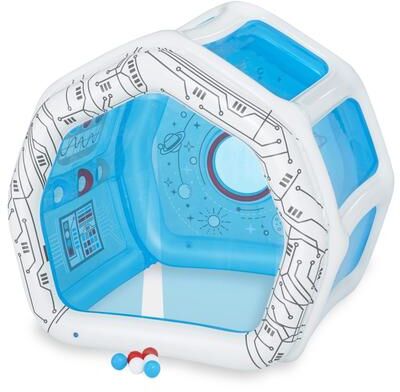
Bestway Space Station Exploration Kids Inflatable Playhouse - MultiDevelops: -Gross Motor Skills: stimulates your child's ability to get up and move around, gaining control of their bodies and movement - Imagination: encourages your child to dream of new ways to see the world around them - Confidence & Communication:…52,99 $*Shipping: 0,00 $Secure redirect to the provider
-
eclife 16.2ft Space Adventure Bounce House with Splash Pool Indoor/OutdoorBlast off into hours of active, screen‑free play with this space‑themed inflatable bounce house and water slide combo. Designed to spark young imaginations, its rocket, satellite, and spacecraft details turn any backyard into a mission control for fun.492,49 $*Shipping: 0,00 $Secure redirect to the provider
-
Multisell Products Hub High Tech Construction Bricks Set, New Creative Technology Space Station Transparent Globe, Toy Gifts For Children High Tech Construction Bricks Set, New Creative Technology Space Station Transparent Globe, Toy Gifts For ChildrenInnovative Building Fun for Kids: Bring the world of construction and creativity together with the New Creative Technology Space Station Transparent Globe Building Blocks. This hightech, engaging toy set is designed for young minds to explore the...179,97 $*Shipping: 0,00 $Secure redirect to the provider
-
Macmillan Business How Big Things Get Done: The Surprising Factors Behind Every Successful Project, from Home Renovations to Space ExplorationHow Big Things Get Done: The Surprising Factors Behind Every Successful Project, from Home Renovations to Space Exploration Nothing is more inspiring than a big vision that becomes a triumphant new reality. Think of how Apple’s iPod went from a project with a single employee to an enormously successful product launch in eleven months. But such successes are the exception. Consider how London’s Crossrail project delivered five years late and billions over budget. More modest endeavours, whether launching a small business, organizing a conference, or just finishing a work project on time, also commonly fail. Why? Understanding what distinguishes the triumphs from the failures has been the life’s work of Oxford professor Bent Flyvbjerg. In How Big Things Get Done, he identifies the errors that lead projects to fail, and the research-based principles that will make yours succeed: Understand your odds. If you don’t know them, you won’t win. Plan slow, act fast. Getting to the action quick feels right. But it’s wrong. Think right to left. Start with your goal, then identify the steps to get there. Find your Lego. Big is best built from small. Master the unknown unknowns. Most think they can’t, so they fail. Flyvbjerg shows how you can. Full of vivid examples ranging from the building of the Sydney Opera House to the making of the latest Pixar blockbusters, How Big Things Get Done reveals how to get any ambitious project done – on time and on budget.2,99 £*Shipping: 1,99 £Secure redirect to the provider
-
Is glyphosate an organic compound?
No, glyphosate is not an organic compound. It is a synthetic compound that is classified as an organophosphorus compound. Glyphosate is a broad-spectrum herbicide that is widely used in agriculture to kill weeds. Organic compounds, on the other hand, are compounds that contain carbon-hydrogen bonds and are typically found in living organisms. **
-
How does glyphosate affect surfaces?
Glyphosate, the active ingredient in many herbicides, can affect surfaces in several ways. When applied to plants, glyphosate is absorbed and inhibits the production of essential amino acids, leading to the death of the plant. This can result in the surfaces becoming dry and brittle as the plants die off. Additionally, glyphosate can also bind to soil particles, potentially affecting the soil surface and its ability to support plant growth. Overall, glyphosate can have a significant impact on the surfaces it comes into contact with, leading to changes in plant and soil health. **
-
Should glyphosate be banned as far as possible?
The decision to ban glyphosate should be based on a thorough evaluation of its risks and benefits. While glyphosate is a widely used herbicide that helps control weeds and increase crop yields, there are concerns about its potential health and environmental impacts. If safer alternatives are available and feasible, then glyphosate should be phased out to minimize these risks. However, a complete ban may have negative consequences for farmers and food production, so a balanced approach considering all factors is necessary. **
-
How is a glyphosate-resistant soybean plant produced?
A glyphosate-resistant soybean plant is produced through a process called genetic engineering. Scientists identify and isolate the gene responsible for glyphosate resistance, often from a bacterium called Agrobacterium sp. strain CP4. This gene is then inserted into the soybean plant's genome using a technique called gene transfer. The resulting genetically modified soybean plant is able to produce an enzyme that degrades glyphosate, allowing it to survive exposure to the herbicide. This process allows farmers to effectively control weeds in their soybean fields without harming the crop. **
Similar search terms for Glyphosate
-
HARPERCOLLINS Creative Confidence by Tom & David Kelley – Unleashing Your Creative Potential & Innovation MindsetA powerful and inspiring book from the founders of IDEO, the award-winning design firm, on unleashing the creativity that lies within each and every one of us. Too often, companies and individuals assume that creativity and innovation are the domain of the ‘creative types’. But two of the foremost experts in innovation, design and creativity on the planet show us that each and every one of us is creative. In an entertaining and inspiring narrative that draws on countless stories from their work at IDEO, and with many of the world's top companies and design firms, David and Tom Kelley identify the principles and strategies that will allow us to tap into our creative potential in our work lives, and in our personal lives, allow us to think outside the box in terms of how we approach and solve problems. ‘Creative Confidence’ is a book that will help each of us be more productive and successful in our lives and in our careers.4,95 £*Shipping: 1,99 £Secure redirect to the provider
-
JoyToys Interactive Dancing Duck Toy With Music, Lights & Space Adventure For Babies And Toddlers pandaEnjoy endless smiles and early learning with this musical baby toy that keeps little ones happily engaged through movement, lights, and cheerful sounds. Designed for babies and toddlers, this adorable duck features a fun spaceinspired design that...55,97 $*Shipping: 0,00 $Secure redirect to the provider
-
Phaidon Press Our Galaxy: A First Adventure in Space (Our World Collection) by Sue Lowell GallionA stunning addition to the bestselling Our World Collection, this colorful, creative picture book transforms into a freestanding globe. Explore our galactic home with this charming read-aloud introduction to astronomy. Beautifully illustrated and cleverly designed, Our Galaxy opens and folds back into a sturdy circular globe fastened by a hidden magnetic closure. Rhyming verse and lush illustrations teach young children about astronomical objects – from the planets in our solar neighborhood to faraway stars in the Milky Way. Secondary text offers more detailed, curriculum-focused facts and encourages children to learn about rockets, rovers, and other space technologies. Inspiring, informative, and one-of-a-kind, this artful homage to outer space is both an invitation to explore the night sky and an object to be treasured for years to come.9,99 £*Shipping: 2,99 £Secure redirect to the provider
-
What is the concentration of glyphosate in water bodies?
The concentration of glyphosate in water bodies can vary depending on factors such as agricultural runoff, application rates, and proximity to areas where glyphosate is used. Studies have found that glyphosate can be detected in surface water, groundwater, and even drinking water sources. The concentration of glyphosate in water bodies is a concern because of its potential impact on aquatic ecosystems and human health. Regulatory agencies in different countries have set limits on the allowable concentration of glyphosate in water to protect the environment and public health. **
-
How can I create a research paper on glyphosate?
To create a research paper on glyphosate, start by conducting a thorough literature review to understand the current state of research on the topic. This will help you identify gaps in the existing knowledge and formulate a research question. Next, design a research methodology that will allow you to collect and analyze data related to glyphosate, such as its effects on human health, the environment, and its use in agriculture. Ensure that your research paper includes a clear introduction, literature review, methodology, results, discussion, and conclusion. Finally, make sure to cite all sources properly and adhere to the formatting guidelines provided by your instructor or the publication you are submitting to. **
-
Is a natural elimination of glyphosate from the body possible?
Yes, the human body can naturally eliminate glyphosate through a process called metabolism. Glyphosate is broken down in the liver by enzymes and then excreted through urine or feces. However, in cases of high or chronic exposure, the body may not be able to eliminate glyphosate fast enough, leading to potential health risks. It is important to limit exposure to glyphosate by following safety guidelines and consuming organic foods whenever possible. **
-
Is it possible for Glyphosate to naturally leave the body?
Glyphosate is not naturally broken down or metabolized by the human body, so it does not easily leave the body on its own. Instead, it is primarily excreted through urine and feces. The elimination half-life of glyphosate in the body is relatively short, around 3-5 days, meaning that it can be cleared from the body within a few days after exposure. However, prolonged or repeated exposure to glyphosate can lead to its accumulation in the body. **
* All prices are inclusive of VAT and, if applicable, plus shipping costs. The offer information is based on the details provided by the respective shop and is updated through automated processes. Real-time updates do not occur, so deviations can occur in individual cases. ** Note: Parts of this content were created by AI.