Buy bezgrawitacji.eu ?
We are moving the project
bezgrawitacji.eu .
Are you interested in purchasing the domain
bezgrawitacji.eu ?
domain@kv-gmbh.de · 0541-91531010
Buy bezgrawitacji.eu ?
How do you launch horizontal rocket space gliders?
To launch horizontal rocket space gliders, a rocket is first launched vertically into the atmosphere. Once it reaches a certain altitude, the rocket releases the space glider, which then glides horizontally through the atmosphere. The glider may be equipped with its own propulsion system to maneuver and maintain its flight path. This method allows the glider to reach higher altitudes and travel longer distances than traditional aircraft. **
How can one launch their own satellite into space?
Launching a satellite into space requires careful planning and coordination with space agencies or private launch providers. First, one must design and build the satellite to meet the technical and regulatory requirements for space launch. Then, they must secure a launch opportunity with a space agency or private launch provider, which may involve negotiating a launch contract and coordinating the logistics of the launch. Additionally, they must obtain the necessary regulatory approvals and licenses for the satellite and launch. Finally, they must prepare for the launch by conducting pre-launch testing and ensuring compliance with all safety and operational requirements. **

Similar search terms for Launch
Top-Angebote
Products related to Launch:
-
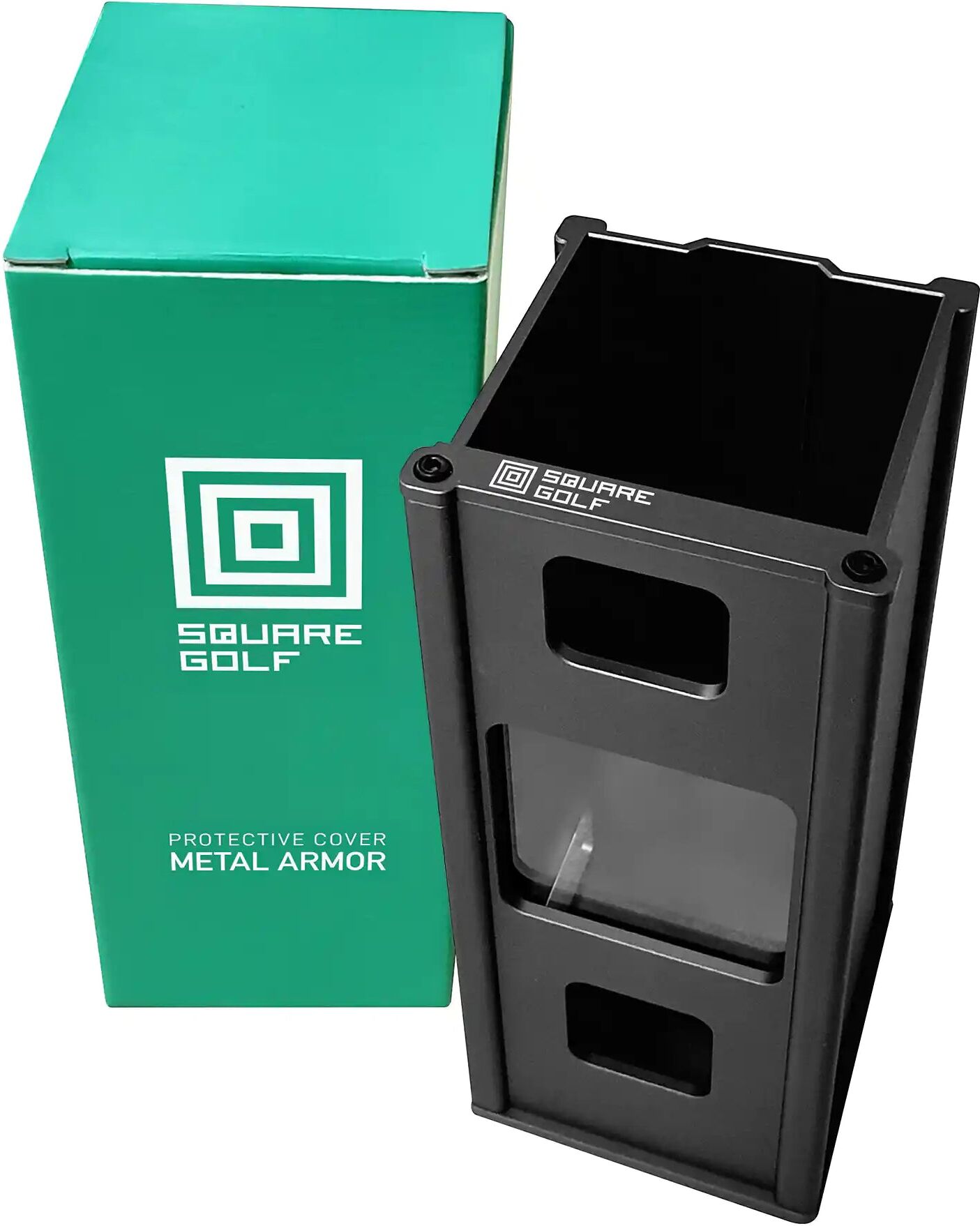
Square Golf Home Launch Monitor Protective Metal Case.gadcet-pdp{--g-green:#00a651;color:#1f2430;line-height:1.55;font-size:inherit;max-width:760px}.gadcet-pdp>*:first-child{margin-top:0}.gadcet-pdp p{margin:0 0.9em}.gadcet-pdp h3{font-size:1.05em;font-weight:600;color:#11161f;margin:1.4em 0.5em;padding-left:.5em;border-left:3px solid var(--g-green);border-radius:0;line-height:1.3}.gadcet-pdp ul{list-style:none!important;margin:0 0.9em;padding:0!important}.gadcet-pdp ul li{position:relative;padding:.1em 0.1em 1.5em;margin:0}.gadcet-pdp ul li::before{content:"";position:absolute;left:.16em;top:.45em;width:.36em;height:.66em;border:solid var(--g-green);border-width:0.14em.14em 0;transform:rotate(45deg)}.gadcet-pdp table{width:100%;border-collapse:collapse;margin:.3em 0 1em;font-size:.95em;border:1px solid #e7e9ee!important;border-radius:8px;overflow:hidden}.gadcet-pdp table td{padding:.5em.8em;border-bottom:1px solid #eef0f4!important;vertical-align:top}.gadcet-pdp table tr:last-child td{border-bottom:0!important}.gadcet-pdp table tr:nth-child(even){background:#f7f9f8}.gadcet-pdp table td:first-child{font-weight:600;color:#454c59;width:40%}@media (max-width:600px){.gadcet-pdp table td:first-child{width:42%}} Keep your Square Golf Home Launch Monitor safe from stray shots with this precision-engineered protective metal case. Designed for a secure fit and clear sensor visibility, it absorbs impact and lets you practise with total confidence. Key Features Heavy-duty metal housing built to absorb and deflect impact Officially designed by Square Golf for a precision fit with the Home Launch Monitor Shields the front, sides, rear and bottom while keeping controls accessible Clear sensor visibility for accurate ball and club tracking Passive accessory – no batteries, cables or setup required Benefits Protect your launch monitor from costly mishit damage Practise with confidence, especially with less experienced golfers Integrates neatly into your home simulator setup without clutter Maintains the clean Square Golf aesthetic in your practice space Simple, non-electronic solution for daily use Specifications Compatibility Square Golf Home Launch Monitor Material Heavy-duty metal Coverage Front, sides, rear and bottom Controls Access Top remains open for device operation What You'll Receive This listing includes one Square Golf Home Protective Metal Case in new condition. No additional accessories are included unless explicitly stated. Ideal For Perfect for golfers building a home simulator or indoor practice area who want to protect their launch monitor from accidental strikes. It's also ideal for coaching environments or family setups where mishits are more likely.89,00 £*Shipping: 0,00 £Secure redirect to the provider
-
Florsheim Launch Wingtip Oxford - Mens 9 Brown Oxford Medium*Leather upper *Soft, comfortable Suedetec linings *Fully cushioned, removable Comfortech footbed with molded EVA and eco-friendly BLOOM algae *Durable, cushioned EVA outsole with rubber traction pods and Flexsole technology119,95 $*Shipping: 0,00 $Secure redirect to the provider
-
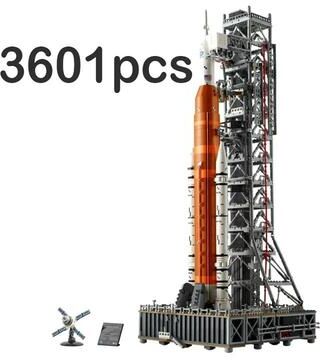
Uplifted Finds 3601pcs Artemis Space Launch System Rocket Puzzle Model Building Kit with LightBring the excitement of space exploration to life with this Artemis space launch system model. With 3601 precisionfit pieces, this detailed rocket puzzle captures the power and scale of NASAs Artemis mission. Designed for both collectors and...580,97 $*Shipping: 0,00 $Secure redirect to the provider
-
Florsheim Launch Wingtip Oxford - Mens 11.5 Brown Oxford Medium*Leather upper *Soft, comfortable Suedetec linings *Fully cushioned, removable Comfortech footbed with molded EVA and eco-friendly BLOOM algae *Durable, cushioned EVA outsole with rubber traction pods and Flexsole technology119,95 $*Shipping: 0,00 $Secure redirect to the provider


-
Why do people try to launch space rockets near the equator? Why should they launch to the east?
People try to launch space rockets near the equator because the rotational speed of the Earth is highest at the equator, providing an extra velocity boost to the rocket. Launching towards the east takes advantage of the Earth's rotation, allowing the rocket to gain additional speed and save fuel compared to launching in other directions. This eastward launch direction also helps in aligning the rocket's trajectory with the direction of Earth's orbit around the sun, making it more energy-efficient to reach orbit. **
-
What is the probability of a rocket exploding during launch into space?
The probability of a rocket exploding during launch into space is relatively low. Over the years, the failure rate of rockets during launch has decreased significantly due to advancements in technology, rigorous testing, and improved safety measures. However, despite these improvements, there is still a small inherent risk associated with launching rockets into space. The probability of a rocket exploding during launch can vary depending on the specific mission, rocket design, and other factors, but overall, it remains a rare occurrence. **
-
How does a rocket launch work?
A rocket launch works by igniting the rocket engines, which produce a powerful thrust that propels the rocket upwards. The rocket must overcome Earth's gravity and atmospheric resistance to reach space. As the rocket ascends, it sheds stages to reduce weight and increase efficiency. Once the rocket reaches the desired altitude and velocity, it releases its payload, such as a satellite, into orbit. **
-
Do rockets emit CO2 during launch?
Yes, rockets do emit CO2 during launch. The combustion of rocket fuel, which is typically a mixture of liquid oxygen and a hydrocarbon fuel like kerosene or hydrogen, produces carbon dioxide (CO2) as a byproduct. The amount of CO2 emitted during a rocket launch can vary depending on the type of fuel used and the size of the rocket, but it is a significant contributor to greenhouse gas emissions from the aerospace industry. Efforts are being made to develop more environmentally friendly rocket fuels to reduce the carbon footprint of space travel. **


How can one build a rocket and launch it into space on their own?
Building and launching a rocket into space on your own is a complex and challenging task that requires extensive knowledge of physics, engineering, and aerospace technology. It involves designing and constructing the rocket, sourcing the necessary materials and components, and ensuring compliance with safety and regulatory requirements. Additionally, obtaining the necessary permits and clearances for the launch site is crucial. It is also important to have a thorough understanding of the principles of rocket propulsion and trajectory calculations. Collaboration with experienced professionals and organizations in the aerospace industry is highly recommended to ensure a successful and safe rocket launch. **
How can the launch angle be calculated?
The launch angle of an object can be calculated by measuring the angle between the initial velocity vector and the horizontal plane. This can be done using trigonometry, specifically the inverse tangent function. By knowing the horizontal and vertical components of the initial velocity, the launch angle can be determined using the formula: launch angle = arctan(vertical velocity / horizontal velocity). This angle is crucial in determining the trajectory and distance traveled by the object. **
Top-Angebote
Products related to Launch:
-
Wahl Cordless Launch ComboIntroducing the new Wahl Launch Combo! This dynamic duo features the Launch Clipper and matching Launch Trimmer. The Launch Clipper features a powerful rotary motor (6000rpm) and taper blade great for off-scalp cutting and soft finishes. The Launch...189,99 $*Shipping: 0,00 $Secure redirect to the provider
-
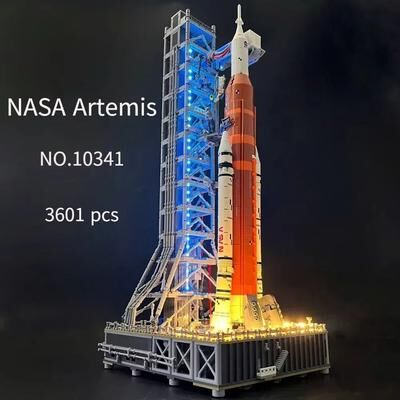
Uplifted Finds 3601pcs Artemis Space Launch System Rocket Puzzle Model Building Kit no LightBring the excitement of space exploration to life with this Artemis space launch system model. With 3601 precisionfit pieces, this detailed rocket puzzle captures the power and scale of NASAs Artemis mission. Designed for both collectors and...525,97 $*Shipping: 0,00 $Secure redirect to the provider
-
Square Golf Home Launch Monitor Protective Metal Case.gadcet-pdp{--g-green:#00a651;color:#1f2430;line-height:1.55;font-size:inherit;max-width:760px}.gadcet-pdp>*:first-child{margin-top:0}.gadcet-pdp p{margin:0 0.9em}.gadcet-pdp h3{font-size:1.05em;font-weight:600;color:#11161f;margin:1.4em 0.5em;padding-left:.5em;border-left:3px solid var(--g-green);border-radius:0;line-height:1.3}.gadcet-pdp ul{list-style:none!important;margin:0 0.9em;padding:0!important}.gadcet-pdp ul li{position:relative;padding:.1em 0.1em 1.5em;margin:0}.gadcet-pdp ul li::before{content:"";position:absolute;left:.16em;top:.45em;width:.36em;height:.66em;border:solid var(--g-green);border-width:0.14em.14em 0;transform:rotate(45deg)}.gadcet-pdp table{width:100%;border-collapse:collapse;margin:.3em 0 1em;font-size:.95em;border:1px solid #e7e9ee!important;border-radius:8px;overflow:hidden}.gadcet-pdp table td{padding:.5em.8em;border-bottom:1px solid #eef0f4!important;vertical-align:top}.gadcet-pdp table tr:last-child td{border-bottom:0!important}.gadcet-pdp table tr:nth-child(even){background:#f7f9f8}.gadcet-pdp table td:first-child{font-weight:600;color:#454c59;width:40%}@media (max-width:600px){.gadcet-pdp table td:first-child{width:42%}} Keep your Square Golf Home Launch Monitor safe from stray shots with this precision-engineered protective metal case. Designed for a secure fit and clear sensor visibility, it absorbs impact and lets you practise with total confidence. Key Features Heavy-duty metal housing built to absorb and deflect impact Officially designed by Square Golf for a precision fit with the Home Launch Monitor Shields the front, sides, rear and bottom while keeping controls accessible Clear sensor visibility for accurate ball and club tracking Passive accessory – no batteries, cables or setup required Benefits Protect your launch monitor from costly mishit damage Practise with confidence, especially with less experienced golfers Integrates neatly into your home simulator setup without clutter Maintains the clean Square Golf aesthetic in your practice space Simple, non-electronic solution for daily use Specifications Compatibility Square Golf Home Launch Monitor Material Heavy-duty metal Coverage Front, sides, rear and bottom Controls Access Top remains open for device operation What You'll Receive This listing includes one Square Golf Home Protective Metal Case in new condition. No additional accessories are included unless explicitly stated. Ideal For Perfect for golfers building a home simulator or indoor practice area who want to protect their launch monitor from accidental strikes. It's also ideal for coaching environments or family setups where mishits are more likely.89,00 £*Shipping: 0,00 £Secure redirect to the provider
-
Florsheim Launch Wingtip Oxford - Mens 9 Brown Oxford Medium*Leather upper *Soft, comfortable Suedetec linings *Fully cushioned, removable Comfortech footbed with molded EVA and eco-friendly BLOOM algae *Durable, cushioned EVA outsole with rubber traction pods and Flexsole technology119,95 $*Shipping: 0,00 $Secure redirect to the provider
-
How do you launch horizontal rocket space gliders?
To launch horizontal rocket space gliders, a rocket is first launched vertically into the atmosphere. Once it reaches a certain altitude, the rocket releases the space glider, which then glides horizontally through the atmosphere. The glider may be equipped with its own propulsion system to maneuver and maintain its flight path. This method allows the glider to reach higher altitudes and travel longer distances than traditional aircraft. **
-
How can one launch their own satellite into space?
Launching a satellite into space requires careful planning and coordination with space agencies or private launch providers. First, one must design and build the satellite to meet the technical and regulatory requirements for space launch. Then, they must secure a launch opportunity with a space agency or private launch provider, which may involve negotiating a launch contract and coordinating the logistics of the launch. Additionally, they must obtain the necessary regulatory approvals and licenses for the satellite and launch. Finally, they must prepare for the launch by conducting pre-launch testing and ensuring compliance with all safety and operational requirements. **
-
Why do people try to launch space rockets near the equator? Why should they launch to the east?
People try to launch space rockets near the equator because the rotational speed of the Earth is highest at the equator, providing an extra velocity boost to the rocket. Launching towards the east takes advantage of the Earth's rotation, allowing the rocket to gain additional speed and save fuel compared to launching in other directions. This eastward launch direction also helps in aligning the rocket's trajectory with the direction of Earth's orbit around the sun, making it more energy-efficient to reach orbit. **
-
What is the probability of a rocket exploding during launch into space?
The probability of a rocket exploding during launch into space is relatively low. Over the years, the failure rate of rockets during launch has decreased significantly due to advancements in technology, rigorous testing, and improved safety measures. However, despite these improvements, there is still a small inherent risk associated with launching rockets into space. The probability of a rocket exploding during launch can vary depending on the specific mission, rocket design, and other factors, but overall, it remains a rare occurrence. **
Similar search terms for Launch
-
Uplifted Finds 3601pcs Artemis Space Launch System Rocket Puzzle Model Building Kit with LightBring the excitement of space exploration to life with this Artemis space launch system model. With 3601 precisionfit pieces, this detailed rocket puzzle captures the power and scale of NASAs Artemis mission. Designed for both collectors and...580,97 $*Shipping: 0,00 $Secure redirect to the provider
-
Florsheim Launch Wingtip Oxford - Mens 11.5 Brown Oxford Medium*Leather upper *Soft, comfortable Suedetec linings *Fully cushioned, removable Comfortech footbed with molded EVA and eco-friendly BLOOM algae *Durable, cushioned EVA outsole with rubber traction pods and Flexsole technology119,95 $*Shipping: 0,00 $Secure redirect to the provider
-
Florsheim Launch Wingtip Oxford - Mens 7 Black Oxford W*Leather upper *Soft, comfortable Suedetec linings *Fully cushioned, removable Comfortech footbed with molded EVA and eco-friendly BLOOM algae *Durable, cushioned EVA outsole with rubber traction pods and Flexsole technology119,95 $*Shipping: 0,00 $Secure redirect to the provider
-
Florsheim Launch Wingtip Oxford - Mens 8 Black Oxford Medium*Leather upper *Soft, comfortable Suedetec linings *Fully cushioned, removable Comfortech footbed with molded EVA and eco-friendly BLOOM algae *Durable, cushioned EVA outsole with rubber traction pods and Flexsole technology119,95 $*Shipping: 0,00 $Secure redirect to the provider
-
How does a rocket launch work?
A rocket launch works by igniting the rocket engines, which produce a powerful thrust that propels the rocket upwards. The rocket must overcome Earth's gravity and atmospheric resistance to reach space. As the rocket ascends, it sheds stages to reduce weight and increase efficiency. Once the rocket reaches the desired altitude and velocity, it releases its payload, such as a satellite, into orbit. **
-
Do rockets emit CO2 during launch?
Yes, rockets do emit CO2 during launch. The combustion of rocket fuel, which is typically a mixture of liquid oxygen and a hydrocarbon fuel like kerosene or hydrogen, produces carbon dioxide (CO2) as a byproduct. The amount of CO2 emitted during a rocket launch can vary depending on the type of fuel used and the size of the rocket, but it is a significant contributor to greenhouse gas emissions from the aerospace industry. Efforts are being made to develop more environmentally friendly rocket fuels to reduce the carbon footprint of space travel. **
-
How can one build a rocket and launch it into space on their own?
Building and launching a rocket into space on your own is a complex and challenging task that requires extensive knowledge of physics, engineering, and aerospace technology. It involves designing and constructing the rocket, sourcing the necessary materials and components, and ensuring compliance with safety and regulatory requirements. Additionally, obtaining the necessary permits and clearances for the launch site is crucial. It is also important to have a thorough understanding of the principles of rocket propulsion and trajectory calculations. Collaboration with experienced professionals and organizations in the aerospace industry is highly recommended to ensure a successful and safe rocket launch. **
-
How can the launch angle be calculated?
The launch angle of an object can be calculated by measuring the angle between the initial velocity vector and the horizontal plane. This can be done using trigonometry, specifically the inverse tangent function. By knowing the horizontal and vertical components of the initial velocity, the launch angle can be determined using the formula: launch angle = arctan(vertical velocity / horizontal velocity). This angle is crucial in determining the trajectory and distance traveled by the object. **
* All prices are inclusive of VAT and, if applicable, plus shipping costs. The offer information is based on the details provided by the respective shop and is updated through automated processes. Real-time updates do not occur, so deviations can occur in individual cases. ** Note: Parts of this content were created by AI.