Buy bezgrawitacji.eu ?
We are moving the project
bezgrawitacji.eu .
Are you interested in purchasing the domain
bezgrawitacji.eu ?
domain@kv-gmbh.de · 0541-91531010
Buy bezgrawitacji.eu ?
How can I add the free space of the light green partition to the primary partition?
To add the free space of the light green partition to the primary partition, you can use a disk management tool such as Disk Management in Windows or Disk Utility in macOS. First, you would need to delete the light green partition to free up the space. Then, you can extend the primary partition to include the freed up space. In Disk Management, you can right-click on the primary partition and select "Extend Volume" to add the free space to it. Keep in mind that this process may result in data loss, so it's important to back up your data before making any changes to your partitions. **
How do I allocate storage space to this partition?
To allocate storage space to a partition, you can use disk management tools such as Disk Management in Windows or Disk Utility in macOS. In these tools, you can select the partition you want to allocate space to and then choose the option to extend or resize the partition. You can then specify the amount of additional space you want to allocate to the partition and follow the on-screen instructions to complete the process. It is important to note that you should back up your data before making any changes to partition sizes to avoid data loss. **


Similar search terms for Partition
Top-Angebote
Products related to Partition:


-
How can partitions be moved if the boot partition is located after the data partition, there is still available space, and the data partition needs to be enlarged?
To move the partitions in this scenario, you can use a partition management tool such as GParted or EaseUS Partition Master. First, you would need to shrink the boot partition to create unallocated space after the data partition. Then, you can move the boot partition to the end of the available space. Finally, you can extend the data partition into the newly available space. It's important to back up your data before making any changes to the partitions to avoid potential data loss. **
-
Why is the partition not expandable despite having sufficient storage space?
The partition may not be expandable despite having sufficient storage space because the partition may be formatted in a way that does not allow for easy expansion. Additionally, the operating system may not support expanding the partition without reformatting or deleting data. Another reason could be that there may be other partitions or data located next to the partition, preventing it from being expanded without affecting other areas of the storage. **
-
Why is the partition not expandable despite having enough storage space?
The partition may not be expandable despite having enough storage space because the file system used on the partition may not support resizing. Additionally, there may be other partitions or data located next to the partition, preventing it from being expanded. Another reason could be that the partition is the last partition on the disk, leaving no unallocated space to extend it further. **
-
How can I expand the storage space of an HDD partition?
You can expand the storage space of an HDD partition by using disk management tools such as Disk Management in Windows or Disk Utility in macOS. These tools allow you to shrink an existing partition to free up unallocated space, which can then be added to the partition you want to expand. Alternatively, you can use third-party partition management software to achieve the same result. It's important to back up your data before making any changes to your partitions to avoid potential data loss. **
How can one convert a logical partition into an extended or primary partition?
To convert a logical partition into an extended or primary partition, you will need to use a partition management tool such as Disk Management in Windows or GParted in Linux. First, you should back up any important data on the partition. Then, delete the logical partition to free up the space. Finally, you can create a new extended or primary partition using the unallocated space that was previously occupied by the logical partition. Remember to be cautious when making these changes, as they can result in data loss if not done correctly. **
Can I delete the second partition and merge it into the first partition?
Yes, you can delete the second partition and merge it into the first partition. However, this process will result in the loss of all data stored on the second partition, so it is important to back up any important files before proceeding. Once the second partition is deleted, you can use disk management tools to extend the first partition and merge the unallocated space into it. This will allow you to effectively increase the size of the first partition using the space previously occupied by the second partition. **
Top-Angebote
Products related to Partition:
-
EaseUS Partition Master 18.0 ProfessionalEaseUS Partition Master 18.0 Professional is a powerful and versatile tool for partition management on Windows systems. Designed for home and professional users, this software offers a range of advanced features to optimise hard disk usage and improve system performance. Key Features Complete Partition Management: Create, resize, move, merge, delete and hide partitions with ease. EaseUS Partition Master allows you to manage partitions without data loss, ensuring a smooth and secure experience. Disk Cloning: Clone entire disks or individual partitions to easily transfer data from one drive to another. This function is especially useful when upgrading to new hard disks or SSDs. Partition Recovery: Recovers partitions lost or damaged as a result of accidental deletions, Windows upgrades or virus attacks. The recovery function is quick and easy, allowing data to be restored in just a few clicks. Performance Optimisation: Supports 4K alignment of SSD partitions to improve read and write performance, ensuring your system performs at its best. Advanced Conversion: Convert disks and partitions between MBR and GPT without formatting, making it easy to upgrade to Windows 11 and manage large disks. File System Check and Repair: Quickly checks the file system for errors and bad sectors, restoring disk functionality efficiently. Bootable Media Creation: Create WinPE bootable media to solve system boot problems or perform partition management tasks without booting Windows. Intuitive Interface: The user interface is designed to be simple and intuitive, making access to all features easy even for novice users. Why Choose EaseUS Partition Master 18.0 Professional? EaseUS Partition Master 18.0 Professional stands out for its combination of advanced functionality and ease of use. It is an ideal solution for anyone who wants to manage their disks effectively, whether they are home users or IT professionals. Competitively priced and with free updates for life, it is an excellent investment for optimising data management. Choose EaseUS Partition Master 18.0 Professional for stress-free partition management and to ensure that your system is always running at peak capacity. Don't let disk management become a hassle; trust EaseUS for a complete and reliable solution.29,90 £*Shipping: 0,00 £Secure redirect to the provider
-
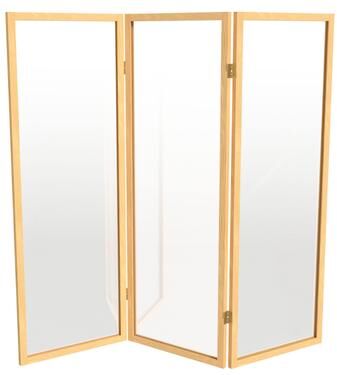
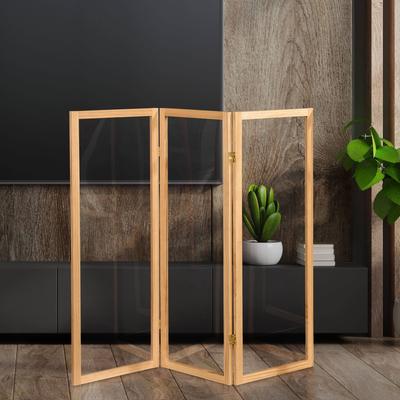
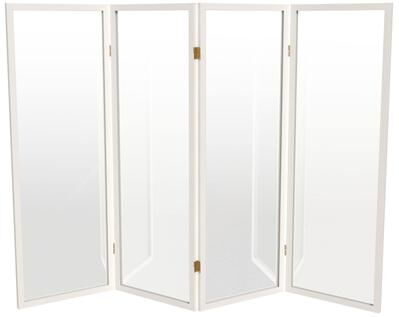
ARCILLA ELEMENTAL White Wood Hinged Foldable Arched Partition 3 Panel Partition Room Divider Screen with Window Pane DetailsIdeal for country cottage, minimalist, and farmhouse themed home interiors, this white privacy screen can effortlessly enhance any living space.219,99 $*Shipping: 0,00 $Secure redirect to the provider
-
How can I add the free space of the light green partition to the primary partition?
To add the free space of the light green partition to the primary partition, you can use a disk management tool such as Disk Management in Windows or Disk Utility in macOS. First, you would need to delete the light green partition to free up the space. Then, you can extend the primary partition to include the freed up space. In Disk Management, you can right-click on the primary partition and select "Extend Volume" to add the free space to it. Keep in mind that this process may result in data loss, so it's important to back up your data before making any changes to your partitions. **
-
How do I allocate storage space to this partition?
To allocate storage space to a partition, you can use disk management tools such as Disk Management in Windows or Disk Utility in macOS. In these tools, you can select the partition you want to allocate space to and then choose the option to extend or resize the partition. You can then specify the amount of additional space you want to allocate to the partition and follow the on-screen instructions to complete the process. It is important to note that you should back up your data before making any changes to partition sizes to avoid data loss. **
-
How can partitions be moved if the boot partition is located after the data partition, there is still available space, and the data partition needs to be enlarged?
To move the partitions in this scenario, you can use a partition management tool such as GParted or EaseUS Partition Master. First, you would need to shrink the boot partition to create unallocated space after the data partition. Then, you can move the boot partition to the end of the available space. Finally, you can extend the data partition into the newly available space. It's important to back up your data before making any changes to the partitions to avoid potential data loss. **
-
Why is the partition not expandable despite having sufficient storage space?
The partition may not be expandable despite having sufficient storage space because the partition may be formatted in a way that does not allow for easy expansion. Additionally, the operating system may not support expanding the partition without reformatting or deleting data. Another reason could be that there may be other partitions or data located next to the partition, preventing it from being expanded without affecting other areas of the storage. **
Similar search terms for Partition
-
Why is the partition not expandable despite having enough storage space?
The partition may not be expandable despite having enough storage space because the file system used on the partition may not support resizing. Additionally, there may be other partitions or data located next to the partition, preventing it from being expanded. Another reason could be that the partition is the last partition on the disk, leaving no unallocated space to extend it further. **
-
How can I expand the storage space of an HDD partition?
You can expand the storage space of an HDD partition by using disk management tools such as Disk Management in Windows or Disk Utility in macOS. These tools allow you to shrink an existing partition to free up unallocated space, which can then be added to the partition you want to expand. Alternatively, you can use third-party partition management software to achieve the same result. It's important to back up your data before making any changes to your partitions to avoid potential data loss. **
-
How can one convert a logical partition into an extended or primary partition?
To convert a logical partition into an extended or primary partition, you will need to use a partition management tool such as Disk Management in Windows or GParted in Linux. First, you should back up any important data on the partition. Then, delete the logical partition to free up the space. Finally, you can create a new extended or primary partition using the unallocated space that was previously occupied by the logical partition. Remember to be cautious when making these changes, as they can result in data loss if not done correctly. **
-
Can I delete the second partition and merge it into the first partition?
Yes, you can delete the second partition and merge it into the first partition. However, this process will result in the loss of all data stored on the second partition, so it is important to back up any important files before proceeding. Once the second partition is deleted, you can use disk management tools to extend the first partition and merge the unallocated space into it. This will allow you to effectively increase the size of the first partition using the space previously occupied by the second partition. **
* All prices are inclusive of VAT and, if applicable, plus shipping costs. The offer information is based on the details provided by the respective shop and is updated through automated processes. Real-time updates do not occur, so deviations can occur in individual cases. ** Note: Parts of this content were created by AI.