Buy bezgrawitacji.eu ?
We are moving the project
bezgrawitacji.eu .
Are you interested in purchasing the domain
bezgrawitacji.eu ?
domain@kv-gmbh.de · 0541-91531010
Buy bezgrawitacji.eu ?
How does seagrass taste?
Seagrass has a slightly salty and earthy taste, with a hint of bitterness. It is not typically consumed by humans, but some marine animals such as manatees and sea turtles feed on seagrass as a part of their diet. The taste of seagrass can vary depending on the species and the environment in which it grows. Overall, it is not considered to be a palatable food for humans. **
Do people weave tarantulas?
No, people do not weave tarantulas. Tarantulas are living creatures, not materials that can be woven. However, some cultures may use the silk produced by tarantulas for various purposes, such as making clothing or other items. But the act of weaving itself does not involve tarantulas. **


Similar search terms for Seabrook-Designs-Seagrass-Weave
Top-Angebote
Products related to Seabrook-Designs-Seagrass-Weave:
-
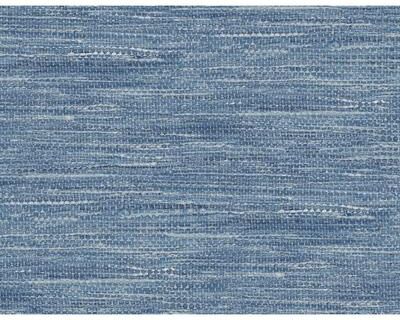
Seabrook Designs Seagrass Weave Embossed Vinyl Unpasted WallpaperThis seagrass weave-inspired pattern, from the More Textures collection by Seabrook Designs, is heat embossed onto a vinyl substrate to develop a textural, highly durable wallpaper option.145,53 $*Shipping: 0,00 $Secure redirect to the provider
-
Seabrook Designs Seagrass Weave Embossed Vinyl Unpasted WallpaperThis seagrass weave-inspired pattern, from the More Textures collection by Seabrook Designs, is heat embossed onto a vinyl substrate to develop a textural, highly durable wallpaper option.145,53 $*Shipping: 0,00 $Secure redirect to the provider
-
Seabrook Designs Seagrass Weave Embossed Vinyl Unpasted WallpaperThis seagrass weave-inspired pattern, from the More Textures collection by Seabrook Designs, is heat embossed onto a vinyl substrate to develop a textural, highly durable wallpaper option.145,53 $*Shipping: 0,00 $Secure redirect to the provider
-
Seabrook Designs Seagrass Weave Embossed Vinyl Unpasted WallpaperThis seagrass weave-inspired pattern, from the More Textures collection by Seabrook Designs, is heat embossed onto a vinyl substrate to develop a textural, highly durable wallpaper option.145,53 $*Shipping: 0,00 $Secure redirect to the provider



-
How can you weave wicker?
To weave wicker, you will need to start by soaking the wicker material in water to make it more pliable. Next, you can begin by creating a base or frame for your wicker project using thicker pieces of wicker. Then, you can weave thinner strands of wicker in an over-under pattern to create the desired design. Finally, you can secure the ends of the wicker strands by tucking them under or using a small amount of glue. With practice and patience, you can create beautiful wicker pieces through weaving. **
-
Can one weave a scarf?
Yes, one can weave a scarf. Weaving a scarf involves using a loom to interlace yarn or thread to create a fabric. There are many different weaving techniques and patterns that can be used to create unique and beautiful scarves. With the right materials and some practice, anyone can learn to weave a scarf. **
-
How can one clean a seagrass rug?
To clean a seagrass rug, start by vacuuming it to remove any loose dirt and debris. Then, mix a small amount of mild detergent with water and use a soft-bristled brush to gently scrub the rug in the direction of the grain. Be careful not to oversaturate the rug, as seagrass is sensitive to moisture. After cleaning, blot the rug with a clean towel to remove excess water and allow it to air dry completely. Avoid using harsh chemicals or steam cleaning, as these can damage the natural fibers of the seagrass. **
-
Why can plants like seagrass grow in saltwater?
Seagrass can grow in saltwater because they have adapted to tolerate the high salinity levels. They have specialized cells and mechanisms that allow them to regulate the amount of salt in their tissues, preventing dehydration and maintaining proper water balance. Additionally, seagrass roots are able to take up water and nutrients from the surrounding saltwater, allowing them to thrive in this environment. Overall, seagrass has evolved to thrive in saltwater conditions, making them well-suited for coastal and marine ecosystems. **

How do you weave a net?
To weave a net, you first need to gather the materials such as string, rope, or twine. Then, you create a series of loops or knots to form the mesh pattern of the net. This can be done by using a weaving technique such as the over-and-under method. Finally, continue weaving the loops or knots until you reach the desired size of the net. **
Can tarantulas weave a spider web?
No, tarantulas cannot weave a traditional spider web like other species of spiders. They do not have the ability to produce silk from their spinnerets in the same way that other spiders do. Instead, tarantulas use their silk for lining their burrows, creating egg sacs, and sometimes for making trip wires to detect prey. Their silk is not used for constructing intricate webs for catching prey like other spiders. **
Top-Angebote
Products related to Seabrook-Designs-Seagrass-Weave:
-
Seabrook Designs Seagrass Weave Embossed Vinyl Unpasted WallpaperThis seagrass weave-inspired pattern, from the More Textures collection by Seabrook Designs, is heat embossed onto a vinyl substrate to develop a textural, highly durable wallpaper option.145,53 $*Shipping: 0,00 $Secure redirect to the provider
-
Seabrook Designs Weave Unpasted WallpaperFind yourself on a forever vacation by bringing the beautiful designs of Maui Maui into your home. This colorful collection of wallcoverings will brighten your day with vibrant greens, berry pinks, and sunny oranges.110,20 $*Shipping: 0,00 $Secure redirect to the provider
-
Seabrook Designs Seagrass Weave Embossed Vinyl Unpasted WallpaperThis seagrass weave-inspired pattern, from the More Textures collection by Seabrook Designs, is heat embossed onto a vinyl substrate to develop a textural, highly durable wallpaper option.145,53 $*Shipping: 0,00 $Secure redirect to the provider
-
Seabrook Designs Seagrass Weave Embossed Vinyl Unpasted WallpaperThis seagrass weave-inspired pattern, from the More Textures collection by Seabrook Designs, is heat embossed onto a vinyl substrate to develop a textural, highly durable wallpaper option.145,53 $*Shipping: 0,00 $Secure redirect to the provider
-
How does seagrass taste?
Seagrass has a slightly salty and earthy taste, with a hint of bitterness. It is not typically consumed by humans, but some marine animals such as manatees and sea turtles feed on seagrass as a part of their diet. The taste of seagrass can vary depending on the species and the environment in which it grows. Overall, it is not considered to be a palatable food for humans. **
-
Do people weave tarantulas?
No, people do not weave tarantulas. Tarantulas are living creatures, not materials that can be woven. However, some cultures may use the silk produced by tarantulas for various purposes, such as making clothing or other items. But the act of weaving itself does not involve tarantulas. **
-
How can you weave wicker?
To weave wicker, you will need to start by soaking the wicker material in water to make it more pliable. Next, you can begin by creating a base or frame for your wicker project using thicker pieces of wicker. Then, you can weave thinner strands of wicker in an over-under pattern to create the desired design. Finally, you can secure the ends of the wicker strands by tucking them under or using a small amount of glue. With practice and patience, you can create beautiful wicker pieces through weaving. **
-
Can one weave a scarf?
Yes, one can weave a scarf. Weaving a scarf involves using a loom to interlace yarn or thread to create a fabric. There are many different weaving techniques and patterns that can be used to create unique and beautiful scarves. With the right materials and some practice, anyone can learn to weave a scarf. **
Similar search terms for Seabrook-Designs-Seagrass-Weave
-
Seabrook Designs Seagrass Weave Embossed Vinyl Unpasted WallpaperThis seagrass weave-inspired pattern, from the More Textures collection by Seabrook Designs, is heat embossed onto a vinyl substrate to develop a textural, highly durable wallpaper option.145,53 $*Shipping: 0,00 $Secure redirect to the provider
-
Seabrook Designs Seagrass Weave Embossed Vinyl Unpasted WallpaperThis seagrass weave-inspired pattern, from the More Textures collection by Seabrook Designs, is heat embossed onto a vinyl substrate to develop a textural, highly durable wallpaper option.145,53 $*Shipping: 0,00 $Secure redirect to the provider
-
Seabrook Designs Seagrass Weave Embossed Vinyl Unpasted WallpaperThis seagrass weave-inspired pattern, from the More Textures collection by Seabrook Designs, is heat embossed onto a vinyl substrate to develop a textural, highly durable wallpaper option.145,53 $*Shipping: 0,00 $Secure redirect to the provider
-
Seabrook Designs Weave Unpasted WallpaperFind yourself on a forever vacation by bringing the beautiful designs of Maui Maui into your home. This colorful collection of wallcoverings will brighten your day with vibrant greens, berry pinks, and sunny oranges.110,20 $*Shipping: 0,00 $Secure redirect to the provider
-
How can one clean a seagrass rug?
To clean a seagrass rug, start by vacuuming it to remove any loose dirt and debris. Then, mix a small amount of mild detergent with water and use a soft-bristled brush to gently scrub the rug in the direction of the grain. Be careful not to oversaturate the rug, as seagrass is sensitive to moisture. After cleaning, blot the rug with a clean towel to remove excess water and allow it to air dry completely. Avoid using harsh chemicals or steam cleaning, as these can damage the natural fibers of the seagrass. **
-
Why can plants like seagrass grow in saltwater?
Seagrass can grow in saltwater because they have adapted to tolerate the high salinity levels. They have specialized cells and mechanisms that allow them to regulate the amount of salt in their tissues, preventing dehydration and maintaining proper water balance. Additionally, seagrass roots are able to take up water and nutrients from the surrounding saltwater, allowing them to thrive in this environment. Overall, seagrass has evolved to thrive in saltwater conditions, making them well-suited for coastal and marine ecosystems. **
-
How do you weave a net?
To weave a net, you first need to gather the materials such as string, rope, or twine. Then, you create a series of loops or knots to form the mesh pattern of the net. This can be done by using a weaving technique such as the over-and-under method. Finally, continue weaving the loops or knots until you reach the desired size of the net. **
-
Can tarantulas weave a spider web?
No, tarantulas cannot weave a traditional spider web like other species of spiders. They do not have the ability to produce silk from their spinnerets in the same way that other spiders do. Instead, tarantulas use their silk for lining their burrows, creating egg sacs, and sometimes for making trip wires to detect prey. Their silk is not used for constructing intricate webs for catching prey like other spiders. **
* All prices are inclusive of VAT and, if applicable, plus shipping costs. The offer information is based on the details provided by the respective shop and is updated through automated processes. Real-time updates do not occur, so deviations can occur in individual cases. ** Note: Parts of this content were created by AI.