Buy bezgrawitacji.eu ?
We are moving the project
bezgrawitacji.eu .
Are you interested in purchasing the domain
bezgrawitacji.eu ?
domain@kv-gmbh.de · 0541-91531010
Buy bezgrawitacji.eu ?
What is seawater?
Seawater is the salty water that makes up the oceans and seas. It is a complex solution of various salts and minerals, with the most abundant being sodium and chloride, which give it its characteristic salty taste. Seawater also contains other elements such as magnesium, calcium, and potassium, as well as trace amounts of other substances. It is essential for the survival of marine life and plays a crucial role in regulating the Earth's climate and weather patterns. **
Why is seawater salty?
Seawater is salty because it contains dissolved minerals and salts that have been washed into the ocean over millions of years. Rainfall erodes rocks on land, carrying minerals like sodium and chloride into rivers that eventually flow into the ocean. Additionally, underwater volcanic activity can also release minerals and salts into the ocean, contributing to its salinity. The salt content of seawater is relatively stable due to a balance between the input of salts from sources like rivers and underwater vents, and the removal of salts through processes like evaporation. **


Similar search terms for Seawater
Top-Angebote
Products related to Seawater:
-
Arcchio Caramia pillar light, 23 cm, stainless steel, seawater resistant Arcchio, dimmable, Alu / grey / zinc, Modern, Outdoor lightsThe round Caramia pillar light is made of stainless steel (V4A) and is seawater resistant, so you can enjoy the light for a long time.92,90 £*Shipping: 4,99 £Secure redirect to the provider
-
Lindby outdoor light Clint, 225cm, 2-bulb, seawater resistant, E27 Clint Lindby, dimmable, Copper, Aluminium, Vintage, Post LightThe seawater-resistant Clint lamp post has two light sources mounted on the top in a nostalgic lantern shape. These provide good orientation light, for example in car parks or on access routes.195,90 £*Shipping: 4,99 £Secure redirect to the provider
-
Lindby outdoor light Clint, 225cm, 3-bulb, seawater resistant, E27 Clint Lindby, dimmable, Copper, Aluminium, Vintage, Post LightThe seawater-resistant Clint lamp post has three light sources mounted on the top in a nostalgic lantern shape. These provide good orientation light, for example in car parks or on access routes.299,90 £*Shipping: 43,99 £Secure redirect to the provider
-
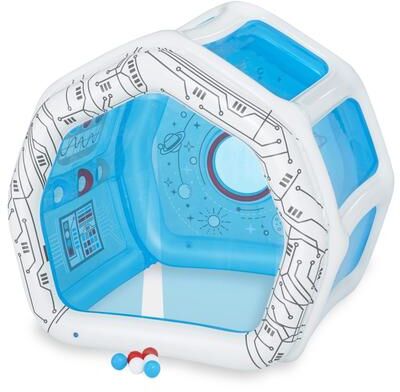
Bestway Space Station Exploration Kids Inflatable Playhouse - MultiDevelops: -Gross Motor Skills: stimulates your child's ability to get up and move around, gaining control of their bodies and movement - Imagination: encourages your child to dream of new ways to see the world around them - Confidence & Communication:…52,99 $*Shipping: 0,00 $Secure redirect to the provider



-
Can one drink seawater?
No, drinking seawater is not safe because it is extremely high in salt content. Consuming seawater can lead to dehydration and further complications due to the body's inability to process the high levels of salt. It is important to stick to drinking fresh water to stay hydrated and maintain proper bodily functions. **
-
Can you drink seawater?
No, drinking seawater is not safe for humans. Seawater is too salty for our bodies to process, and consuming it can lead to dehydration rather than hydration. Drinking seawater can also cause kidney damage and other health issues due to the high salt content. It is important to stick to drinking fresh water to stay properly hydrated. **
-
Does seawater conduct electricity?
Yes, seawater does conduct electricity. This is because seawater contains dissolved salts and minerals, which are made up of charged particles called ions. When an electric current is passed through seawater, these ions allow the flow of electricity, making seawater a conductor. This property of seawater is utilized in various applications such as in the operation of underwater cables and in certain scientific experiments. **
-
Can I use regular seawater instead of expensive seawater products for my hair?
Yes, you can use regular seawater for your hair instead of expensive seawater products. Seawater is rich in minerals like magnesium, calcium, and potassium, which can help nourish and strengthen your hair. However, be mindful that seawater can be drying, so it's important to rinse your hair with fresh water after swimming in the ocean to prevent any potential damage. Additionally, you can also consider diluting seawater with fresh water to lessen its drying effects. **


Can one drink diluted seawater?
No, it is not safe to drink diluted seawater. Seawater contains high levels of salt and other minerals that can be harmful to the human body if consumed in large quantities. Drinking diluted seawater can lead to dehydration and electrolyte imbalances, which can have serious health consequences. It is always best to stick to drinking fresh, clean water for proper hydration. **
Why is seawater still salty?
Seawater is still salty because of the continuous input of dissolved salts from the Earth's crust. Rainwater and rivers carry dissolved minerals and salts from the land into the ocean. Additionally, volcanic activity and hydrothermal vents on the ocean floor release minerals and salts into the seawater. The process of evaporation and the formation of sea ice also concentrate the salts in the ocean, contributing to its salinity. Overall, the constant input and concentration of salts from various sources maintain the saltiness of seawater. **
Top-Angebote
Products related to Seawater:
-
Caramia path light, stainless steel, seawater resistant Arcchio, dimmable, Alu / grey / zinc, Modern, Outdoor lightsThe round Caramia path light is made of stainless steel (V4A) and is seawater-resistant, so you can enjoy the light for a long time.129,90 £*Shipping: 4,99 £Secure redirect to the provider
-
Lindby outdoor light Nane, 217cm, black, seawater resistant, E27 Nane Lindby, dimmable, Black, Plastic, Antique, Post LightThe Nane lamp post is designed like a 3-bulb lantern and has a black surface. This creates a nostalgic look that goes well with historic buildings. The inserts are made of clear glass. IK02, seawater resistant.69,90 £*Shipping: 4,99 £Secure redirect to the provider
-
Arcchio Caramia pillar light, 23 cm, stainless steel, seawater resistant Arcchio, dimmable, Alu / grey / zinc, Modern, Outdoor lightsThe round Caramia pillar light is made of stainless steel (V4A) and is seawater resistant, so you can enjoy the light for a long time.92,90 £*Shipping: 4,99 £Secure redirect to the provider
-
Lindby outdoor light Clint, 225cm, 2-bulb, seawater resistant, E27 Clint Lindby, dimmable, Copper, Aluminium, Vintage, Post LightThe seawater-resistant Clint lamp post has two light sources mounted on the top in a nostalgic lantern shape. These provide good orientation light, for example in car parks or on access routes.195,90 £*Shipping: 4,99 £Secure redirect to the provider
-
What is seawater?
Seawater is the salty water that makes up the oceans and seas. It is a complex solution of various salts and minerals, with the most abundant being sodium and chloride, which give it its characteristic salty taste. Seawater also contains other elements such as magnesium, calcium, and potassium, as well as trace amounts of other substances. It is essential for the survival of marine life and plays a crucial role in regulating the Earth's climate and weather patterns. **
-
Why is seawater salty?
Seawater is salty because it contains dissolved minerals and salts that have been washed into the ocean over millions of years. Rainfall erodes rocks on land, carrying minerals like sodium and chloride into rivers that eventually flow into the ocean. Additionally, underwater volcanic activity can also release minerals and salts into the ocean, contributing to its salinity. The salt content of seawater is relatively stable due to a balance between the input of salts from sources like rivers and underwater vents, and the removal of salts through processes like evaporation. **
-
Can one drink seawater?
No, drinking seawater is not safe because it is extremely high in salt content. Consuming seawater can lead to dehydration and further complications due to the body's inability to process the high levels of salt. It is important to stick to drinking fresh water to stay hydrated and maintain proper bodily functions. **
-
Can you drink seawater?
No, drinking seawater is not safe for humans. Seawater is too salty for our bodies to process, and consuming it can lead to dehydration rather than hydration. Drinking seawater can also cause kidney damage and other health issues due to the high salt content. It is important to stick to drinking fresh water to stay properly hydrated. **
Similar search terms for Seawater
-
Lindby outdoor light Clint, 225cm, 3-bulb, seawater resistant, E27 Clint Lindby, dimmable, Copper, Aluminium, Vintage, Post LightThe seawater-resistant Clint lamp post has three light sources mounted on the top in a nostalgic lantern shape. These provide good orientation light, for example in car parks or on access routes.299,90 £*Shipping: 43,99 £Secure redirect to the provider
-
Bestway Space Station Exploration Kids Inflatable Playhouse - MultiDevelops: -Gross Motor Skills: stimulates your child's ability to get up and move around, gaining control of their bodies and movement - Imagination: encourages your child to dream of new ways to see the world around them - Confidence & Communication:…52,99 $*Shipping: 0,00 $Secure redirect to the provider
-
eclife 16.2ft Space Adventure Bounce House with Splash Pool Indoor/OutdoorBlast off into hours of active, screen‑free play with this space‑themed inflatable bounce house and water slide combo. Designed to spark young imaginations, its rocket, satellite, and spacecraft details turn any backyard into a mission control for fun.497,29 $*Shipping: 0,00 $Secure redirect to the provider
-
Multisell Products Hub High Tech Construction Bricks Set, New Creative Technology Space Station Transparent Globe, Toy Gifts For Children High Tech Construction Bricks Set, New Creative Technology Space Station Transparent Globe, Toy Gifts For ChildrenInnovative Building Fun for Kids: Bring the world of construction and creativity together with the New Creative Technology Space Station Transparent Globe Building Blocks. This hightech, engaging toy set is designed for young minds to explore the...179,97 $*Shipping: 0,00 $Secure redirect to the provider
-
Does seawater conduct electricity?
Yes, seawater does conduct electricity. This is because seawater contains dissolved salts and minerals, which are made up of charged particles called ions. When an electric current is passed through seawater, these ions allow the flow of electricity, making seawater a conductor. This property of seawater is utilized in various applications such as in the operation of underwater cables and in certain scientific experiments. **
-
Can I use regular seawater instead of expensive seawater products for my hair?
Yes, you can use regular seawater for your hair instead of expensive seawater products. Seawater is rich in minerals like magnesium, calcium, and potassium, which can help nourish and strengthen your hair. However, be mindful that seawater can be drying, so it's important to rinse your hair with fresh water after swimming in the ocean to prevent any potential damage. Additionally, you can also consider diluting seawater with fresh water to lessen its drying effects. **
-
Can one drink diluted seawater?
No, it is not safe to drink diluted seawater. Seawater contains high levels of salt and other minerals that can be harmful to the human body if consumed in large quantities. Drinking diluted seawater can lead to dehydration and electrolyte imbalances, which can have serious health consequences. It is always best to stick to drinking fresh, clean water for proper hydration. **
-
Why is seawater still salty?
Seawater is still salty because of the continuous input of dissolved salts from the Earth's crust. Rainwater and rivers carry dissolved minerals and salts from the land into the ocean. Additionally, volcanic activity and hydrothermal vents on the ocean floor release minerals and salts into the seawater. The process of evaporation and the formation of sea ice also concentrate the salts in the ocean, contributing to its salinity. Overall, the constant input and concentration of salts from various sources maintain the saltiness of seawater. **
* All prices are inclusive of VAT and, if applicable, plus shipping costs. The offer information is based on the details provided by the respective shop and is updated through automated processes. Real-time updates do not occur, so deviations can occur in individual cases. ** Note: Parts of this content were created by AI.