Buy bezgrawitacji.eu ?
We are moving the project
bezgrawitacji.eu .
Are you interested in purchasing the domain
bezgrawitacji.eu ?
domain@kv-gmbh.de · 0541-91531010
Buy bezgrawitacji.eu ?
What is a temperate maritime climate?
A temperate maritime climate is characterized by mild temperatures and moderate rainfall due to the influence of the nearby ocean. This type of climate is typically found in coastal regions and is known for its relatively stable and mild weather conditions. Winters are usually mild and summers are cool, with a narrow temperature range throughout the year. The presence of the ocean helps to moderate temperature extremes and create a more stable climate. **
What is the temperate zone 2?
The temperate zone 2 is a region of the Earth located between the Tropic of Cancer and the Arctic Circle in the Northern Hemisphere, and between the Tropic of Capricorn and the Antarctic Circle in the Southern Hemisphere. This zone experiences moderate temperatures and distinct seasons, with warm summers and cool winters. It is characterized by a diverse range of ecosystems, including deciduous forests, grasslands, and some areas of Mediterranean climate. The temperate zone 2 is home to a wide variety of plant and animal species adapted to its seasonal climate. **

Similar search terms for Temperate
Top-Angebote
Products related to Temperate:
-
eclife 16.2ft Space Adventure Bounce House with Splash Pool Indoor/OutdoorBlast off into hours of active, screen‑free play with this space‑themed inflatable bounce house and water slide combo. Designed to spark young imaginations, its rocket, satellite, and spacecraft details turn any backyard into a mission control for fun.497,29 $*Shipping: 0,00 $Secure redirect to the provider
-
Multisell Products Hub High Tech Construction Bricks Set, New Creative Technology Space Station Transparent Globe, Toy Gifts For Children High Tech Construction Bricks Set, New Creative Technology Space Station Transparent Globe, Toy Gifts For ChildrenInnovative Building Fun for Kids: Bring the world of construction and creativity together with the New Creative Technology Space Station Transparent Globe Building Blocks. This hightech, engaging toy set is designed for young minds to explore the...179,97 $*Shipping: 0,00 $Secure redirect to the provider
-
Sesderma Reti Age 5 Liposomal Serum Anti-Aging Innovation 30mLA facial serum for wrinkles and signs of ageing. Reduces wrinkles and fine lines. Hydrates and strengthens barrier. Restores youthful radiance. 5-Retinoid System: smooths wrinkles, accelerates renewal, and boosts collagen. Biomimetic Peptides: fill expression lines by stimulating collagen synthesis.54,51 £*Shipping: 5,34 £Secure redirect to the provider
-
Macmillan Business How Big Things Get Done: The Surprising Factors Behind Every Successful Project, from Home Renovations to Space ExplorationHow Big Things Get Done: The Surprising Factors Behind Every Successful Project, from Home Renovations to Space Exploration Nothing is more inspiring than a big vision that becomes a triumphant new reality. Think of how Apple’s iPod went from a project with a single employee to an enormously successful product launch in eleven months. But such successes are the exception. Consider how London’s Crossrail project delivered five years late and billions over budget. More modest endeavours, whether launching a small business, organizing a conference, or just finishing a work project on time, also commonly fail. Why? Understanding what distinguishes the triumphs from the failures has been the life’s work of Oxford professor Bent Flyvbjerg. In How Big Things Get Done, he identifies the errors that lead projects to fail, and the research-based principles that will make yours succeed: Understand your odds. If you don’t know them, you won’t win. Plan slow, act fast. Getting to the action quick feels right. But it’s wrong. Think right to left. Start with your goal, then identify the steps to get there. Find your Lego. Big is best built from small. Master the unknown unknowns. Most think they can’t, so they fail. Flyvbjerg shows how you can. Full of vivid examples ranging from the building of the Sydney Opera House to the making of the latest Pixar blockbusters, How Big Things Get Done reveals how to get any ambitious project done – on time and on budget.2,99 £*Shipping: 1,99 £Secure redirect to the provider




-
Why is the temperate zone a favorable space for the development of trade centers?
The temperate zone is a favorable space for the development of trade centers because it is home to a large portion of the world's population and has a diverse range of natural resources. The moderate climate and fertile land in the temperate zone allow for the cultivation of a wide variety of crops, making it an attractive location for agricultural trade. Additionally, the temperate zone is often located near major bodies of water, which facilitates transportation and trade routes. The moderate climate also allows for the development of infrastructure and urban centers, making it an ideal location for trade and commerce to flourish. **
-
Which countries are located in the temperate zone?
Countries located in the temperate zone include the United States, Canada, Japan, China, Australia, Argentina, and parts of Europe such as France, Germany, and the United Kingdom. These countries experience four distinct seasons with moderate temperatures and are located between the Tropic of Cancer and the Arctic Circle in the Northern Hemisphere, and between the Tropic of Capricorn and the Antarctic Circle in the Southern Hemisphere. **
-
What are the temperate zones in the mid-latitudes?
The temperate zones in the mid-latitudes are regions located between the Tropic of Cancer and the Arctic Circle in the Northern Hemisphere, and between the Tropic of Capricorn and the Antarctic Circle in the Southern Hemisphere. These zones experience moderate temperatures compared to the tropics and polar regions, with distinct seasons including warm summers and cool winters. The temperate zones are characterized by a variety of ecosystems, including deciduous forests, grasslands, and Mediterranean climates, making them highly diverse in terms of flora and fauna. **
-
How does the nutrient cycle work in temperate regions?
In temperate regions, the nutrient cycle works through a series of processes that involve the movement and transformation of nutrients such as carbon, nitrogen, and phosphorus. These nutrients are taken up by plants from the soil, then transferred to animals through consumption. When plants and animals die, their organic matter decomposes, releasing nutrients back into the soil. These nutrients are then recycled and reused by plants, completing the cycle. Additionally, weathering of rocks and minerals also contributes to the availability of nutrients in temperate regions. **


What is the climate like in the temperate zone?
The climate in the temperate zone is characterized by four distinct seasons - spring, summer, fall, and winter. The temperatures in this zone are moderate, with warm summers and cool winters. The temperate zone typically experiences a good amount of rainfall throughout the year, which supports a variety of vegetation. Overall, the climate in the temperate zone is generally pleasant and conducive to a diverse range of plant and animal life. **
How are plants cultivated in agriculture in the temperate zone?
In the temperate zone, plants are cultivated in agriculture through a variety of methods. These include crop rotation, where different crops are planted in the same field in successive seasons to improve soil fertility and reduce pests and diseases. Additionally, farmers may use greenhouses or high tunnels to extend the growing season and protect plants from harsh weather. In some cases, irrigation systems are used to ensure that plants receive enough water, especially during dry periods. Finally, farmers may also use technology such as tractors and other machinery to help with planting, harvesting, and other tasks. **
Top-Angebote
Products related to Temperate:
-
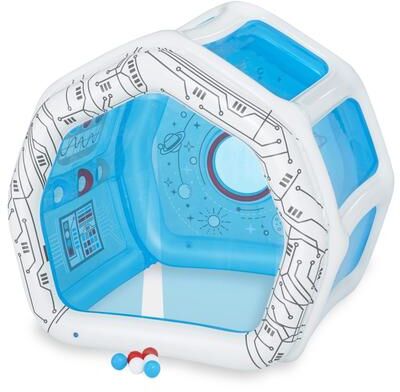
Bestway Space Station Exploration Kids Inflatable Playhouse - MultiDevelops: -Gross Motor Skills: stimulates your child's ability to get up and move around, gaining control of their bodies and movement - Imagination: encourages your child to dream of new ways to see the world around them - Confidence & Communication:…52,99 $*Shipping: 0,00 $Secure redirect to the provider
-
eclife 16.2ft Space Adventure Bounce House with Splash Pool Indoor/OutdoorBlast off into hours of active, screen‑free play with this space‑themed inflatable bounce house and water slide combo. Designed to spark young imaginations, its rocket, satellite, and spacecraft details turn any backyard into a mission control for fun.497,29 $*Shipping: 0,00 $Secure redirect to the provider
-
Multisell Products Hub High Tech Construction Bricks Set, New Creative Technology Space Station Transparent Globe, Toy Gifts For Children High Tech Construction Bricks Set, New Creative Technology Space Station Transparent Globe, Toy Gifts For ChildrenInnovative Building Fun for Kids: Bring the world of construction and creativity together with the New Creative Technology Space Station Transparent Globe Building Blocks. This hightech, engaging toy set is designed for young minds to explore the...179,97 $*Shipping: 0,00 $Secure redirect to the provider
-
What is a temperate maritime climate?
A temperate maritime climate is characterized by mild temperatures and moderate rainfall due to the influence of the nearby ocean. This type of climate is typically found in coastal regions and is known for its relatively stable and mild weather conditions. Winters are usually mild and summers are cool, with a narrow temperature range throughout the year. The presence of the ocean helps to moderate temperature extremes and create a more stable climate. **
-
What is the temperate zone 2?
The temperate zone 2 is a region of the Earth located between the Tropic of Cancer and the Arctic Circle in the Northern Hemisphere, and between the Tropic of Capricorn and the Antarctic Circle in the Southern Hemisphere. This zone experiences moderate temperatures and distinct seasons, with warm summers and cool winters. It is characterized by a diverse range of ecosystems, including deciduous forests, grasslands, and some areas of Mediterranean climate. The temperate zone 2 is home to a wide variety of plant and animal species adapted to its seasonal climate. **
-
Why is the temperate zone a favorable space for the development of trade centers?
The temperate zone is a favorable space for the development of trade centers because it is home to a large portion of the world's population and has a diverse range of natural resources. The moderate climate and fertile land in the temperate zone allow for the cultivation of a wide variety of crops, making it an attractive location for agricultural trade. Additionally, the temperate zone is often located near major bodies of water, which facilitates transportation and trade routes. The moderate climate also allows for the development of infrastructure and urban centers, making it an ideal location for trade and commerce to flourish. **
-
Which countries are located in the temperate zone?
Countries located in the temperate zone include the United States, Canada, Japan, China, Australia, Argentina, and parts of Europe such as France, Germany, and the United Kingdom. These countries experience four distinct seasons with moderate temperatures and are located between the Tropic of Cancer and the Arctic Circle in the Northern Hemisphere, and between the Tropic of Capricorn and the Antarctic Circle in the Southern Hemisphere. **
Similar search terms for Temperate
-
Sesderma Reti Age 5 Liposomal Serum Anti-Aging Innovation 30mLA facial serum for wrinkles and signs of ageing. Reduces wrinkles and fine lines. Hydrates and strengthens barrier. Restores youthful radiance. 5-Retinoid System: smooths wrinkles, accelerates renewal, and boosts collagen. Biomimetic Peptides: fill expression lines by stimulating collagen synthesis.54,51 £*Shipping: 5,34 £Secure redirect to the provider
-
Macmillan Business How Big Things Get Done: The Surprising Factors Behind Every Successful Project, from Home Renovations to Space ExplorationHow Big Things Get Done: The Surprising Factors Behind Every Successful Project, from Home Renovations to Space Exploration Nothing is more inspiring than a big vision that becomes a triumphant new reality. Think of how Apple’s iPod went from a project with a single employee to an enormously successful product launch in eleven months. But such successes are the exception. Consider how London’s Crossrail project delivered five years late and billions over budget. More modest endeavours, whether launching a small business, organizing a conference, or just finishing a work project on time, also commonly fail. Why? Understanding what distinguishes the triumphs from the failures has been the life’s work of Oxford professor Bent Flyvbjerg. In How Big Things Get Done, he identifies the errors that lead projects to fail, and the research-based principles that will make yours succeed: Understand your odds. If you don’t know them, you won’t win. Plan slow, act fast. Getting to the action quick feels right. But it’s wrong. Think right to left. Start with your goal, then identify the steps to get there. Find your Lego. Big is best built from small. Master the unknown unknowns. Most think they can’t, so they fail. Flyvbjerg shows how you can. Full of vivid examples ranging from the building of the Sydney Opera House to the making of the latest Pixar blockbusters, How Big Things Get Done reveals how to get any ambitious project done – on time and on budget.2,99 £*Shipping: 1,99 £Secure redirect to the provider
-
JoyToys Interactive Dancing Duck Toy With Music, Lights & Space Adventure For Babies And Toddlers duckEnjoy endless smiles and early learning with this musical baby toy that keeps little ones happily engaged through movement, lights, and cheerful sounds. Designed for babies and toddlers, this adorable duck features a fun spaceinspired design that...55,97 $*Shipping: 0,00 $Secure redirect to the provider
-
What are the temperate zones in the mid-latitudes?
The temperate zones in the mid-latitudes are regions located between the Tropic of Cancer and the Arctic Circle in the Northern Hemisphere, and between the Tropic of Capricorn and the Antarctic Circle in the Southern Hemisphere. These zones experience moderate temperatures compared to the tropics and polar regions, with distinct seasons including warm summers and cool winters. The temperate zones are characterized by a variety of ecosystems, including deciduous forests, grasslands, and Mediterranean climates, making them highly diverse in terms of flora and fauna. **
-
How does the nutrient cycle work in temperate regions?
In temperate regions, the nutrient cycle works through a series of processes that involve the movement and transformation of nutrients such as carbon, nitrogen, and phosphorus. These nutrients are taken up by plants from the soil, then transferred to animals through consumption. When plants and animals die, their organic matter decomposes, releasing nutrients back into the soil. These nutrients are then recycled and reused by plants, completing the cycle. Additionally, weathering of rocks and minerals also contributes to the availability of nutrients in temperate regions. **
-
What is the climate like in the temperate zone?
The climate in the temperate zone is characterized by four distinct seasons - spring, summer, fall, and winter. The temperatures in this zone are moderate, with warm summers and cool winters. The temperate zone typically experiences a good amount of rainfall throughout the year, which supports a variety of vegetation. Overall, the climate in the temperate zone is generally pleasant and conducive to a diverse range of plant and animal life. **
-
How are plants cultivated in agriculture in the temperate zone?
In the temperate zone, plants are cultivated in agriculture through a variety of methods. These include crop rotation, where different crops are planted in the same field in successive seasons to improve soil fertility and reduce pests and diseases. Additionally, farmers may use greenhouses or high tunnels to extend the growing season and protect plants from harsh weather. In some cases, irrigation systems are used to ensure that plants receive enough water, especially during dry periods. Finally, farmers may also use technology such as tractors and other machinery to help with planting, harvesting, and other tasks. **
* All prices are inclusive of VAT and, if applicable, plus shipping costs. The offer information is based on the details provided by the respective shop and is updated through automated processes. Real-time updates do not occur, so deviations can occur in individual cases. ** Note: Parts of this content were created by AI.